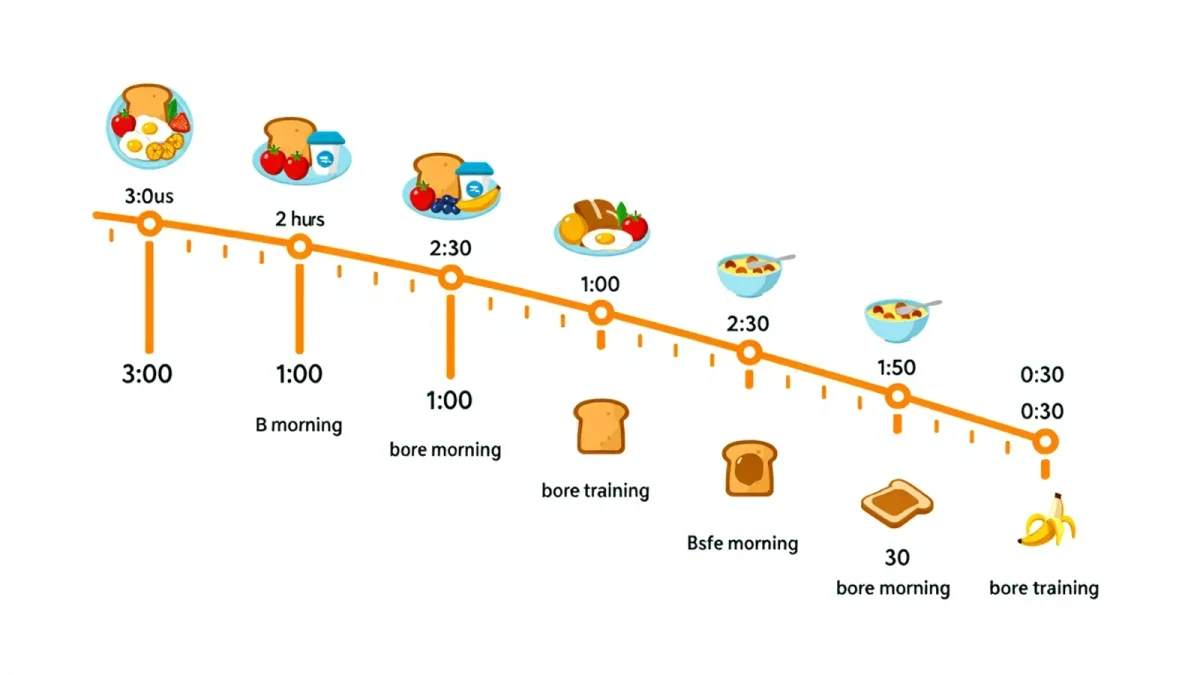

Train late without guilt: the evidence shows eating a normal meal after an evening session helps recovery rather than harming it, and the old rule against eating at night has no support in the cited literature. What matters after a 7 pm workout is the same as after a morning one — protein and carbohydrate within your day, with the ISSN's 2017 nutrient-timing position stand describing a practical refueling window of roughly 4–6 hours. Finish training at 8 pm, eat dinner by 9, and you have met every requirement the research recognizes.
If you have reflux, diabetes, or a sleep disorder, plan your evening eating with a clinician or registered dietitian, because late meals interact with both conditions differently.
Does eating late at night make you gain fat?
The honest answer: calories decide, not clocks. Studies comparing early and late eating find small metabolic differences at most, and the 2019 controlled trial by Hall and colleagues in Cell Metabolism showed calorie intake — not meal timing — drove body-weight change. The observation that late eaters gain weight is real but confounded: people who eat late at night often do so on top of full days of eating. An evening meal that fits your daily total behaves like any other meal.
What should you eat after a late workout?
Same targets as any post-training meal, per the cited guidance:
- Protein: roughly 0.4–0.55 g/kg per meal — 30–40 g for most adults, per the ISSN protein position stand (2017). Chicken and rice, eggs with toast, salmon with potatoes, cottage cheese with fruit all work.
- Carbohydrate: scaled to the session. A hard 90-minute session earns a full carb serving; a 30-minute easy lift needs less.
- Fluid and sodium: replace what you sweated out, especially in summer evening sessions.
Keep fat moderate rather than absent — a small amount slows digestion slightly, which some people find helpful for staying asleep.
Will a big meal ruin your sleep?
It depends on size and spacing, not on the food being a meal at all. Sleep research commonly finds that very large meals eaten within an hour of bedtime can disturb sleep onset for some people, while moderate meals two or more hours before bed generally do not. The practical recipe: finish your post-workout dinner roughly 90 minutes to 2 hours before lights out. If your session ends at 9:30, shrink the meal — a protein-containing snack of 25–30 g plus fruit — and eat a fuller breakfast the next morning to make up the difference.
Caffeine is the bigger sleep threat than food. As covered in the cited ISSN caffeine guidance, its half-life runs 5–6 hours, so pre-workout coffee at 6 pm is still working at midnight. If you train late, use caffeine earlier or skip it.
What if you train so late that dinner becomes impossible?
Prioritize in this order:
- A protein-containing snack within an hour of finishing — Greek yogurt, a milk-based shake, eggs on toast.
- A full breakfast the next morning with another 30–40 g of protein, keeping the day's total on target.
- Fluid and sodium replacement before bed rather than a heavy meal.
The ISSN's nutrient-timing stand makes clear the daily totals and the surrounding meals carry most of the recovery load; no single late meal decides the outcome.
Does evening training itself hurt anything?
The evidence offers reassurance. A 2019 meta-analysis by Stutz and colleagues in Sports Medicine found evening exercise did not impair sleep quality overall, with the caveat that very high-intensity work finished within an hour of bedtime could delay sleep onset in some people. If hard intervals at 9 pm wire you awake, move intensity earlier or wind down with an easy finish. Otherwise, the best training time remains the one you can repeat.
What the research did not establish
Long-term studies isolating evening-eating effects from total intake are scarce, and much of the sleep-and-meals literature is small and short-term. Claims that eating after 8 pm uniquely harms metabolism circulate widely but lack controlled support in the cited literature. Treat exact clock rules with suspicion; treat daily totals, protein distribution, and your own sleep response as the evidence that matters.
What does a realistic late-session eating day look like?
Put the pieces together around a 7:30 pm workout. Eat your main carbohydrate meal at lunch, since the evening session does not need a heavy pre-workout load. Keep a light carb-based snack — fruit, toast with honey — around 5:30 pm. Train. Eat a dinner centered on 30–40 g of protein with a moderate carb serving by 9 pm. Stop caffeine after noon. If the session ran long or the dinner lands close to bedtime, split it: half the plate now, cottage cheese or yogurt 30 minutes before bed. This pattern satisfies the ISSN refueling guidance, keeps the biggest meal off the pillow, and — per the Stutz meta-analysis — asks nothing of your sleep that evening training cannot deliver. The habit you can repeat on a work schedule beats any optimized plan you abandon by Thursday.
When to see a professional
See a clinician if late meals trigger reflux, if your sleep stays broken despite adjusting meal size and timing, or if you manage blood sugar — nighttime glucose dynamics change how late eating should be structured. A sleep specialist is the right stop for persistent insomnia, not a diet change alone.