Best Health Info
Nutritionist vs Dietician: Which One Do You Need?
Read moreWorcester County Puts State Funding Behind Community Nutrition Projects
Read more
Worcester County Puts State Funding Behind Community Nutrition Projects
Small grants for gardens and healthy-eating programs show how county health departments turn state money into local food access.

Nutrition
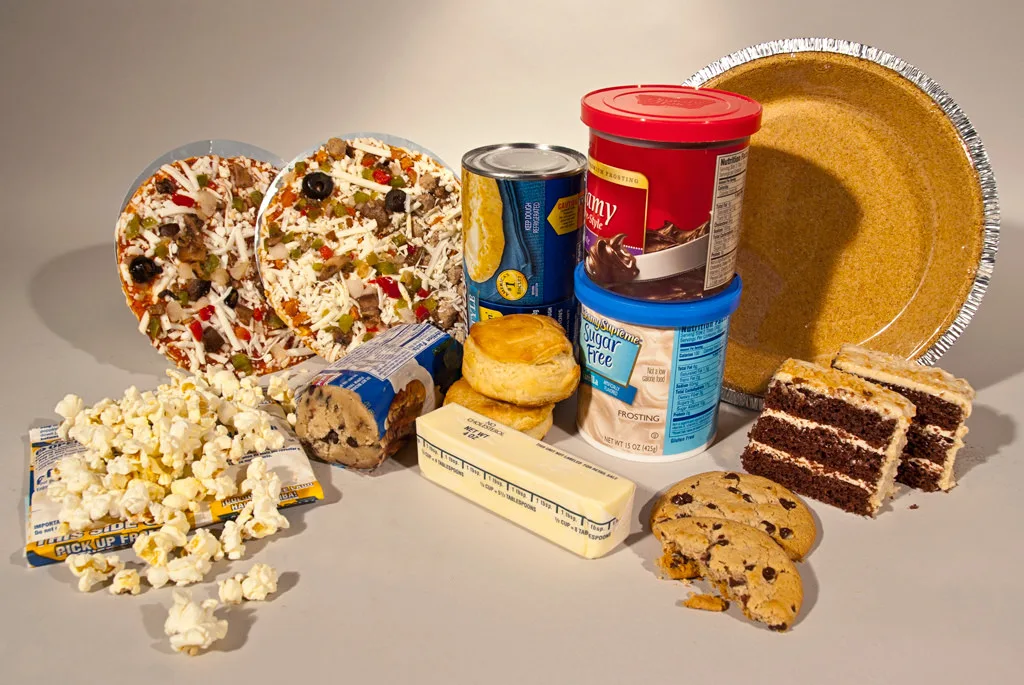
Nutritionist vs Dietician: Which One Do You Need?
Dietitian is the regulated route for medical nutrition needs, while nutritionist remains an open title in most US states.
Nutrition
Reading a Nutrition Label: A Practical Walkthrough for Shoppers
A step-by-step way to read a nutrition facts label in the store: check the panel, note the base amount, and compare brands with confidence.

Nutrition
How Much Protein You Actually Need When You Train
For recreational lifters and runners, the commonly used research range is 1.4 to 2.0 grams per kilogram of body weight per day — and most people miss the distribution, not the total.

Nutrition
How Much Protein Do Active Adults Actually Need?
The standard RDA is a floor for sedentary adults, not a training target. Here's what the sports-nutrition evidence actually recommends for people who exercise regularly.
Lifestyle
See all →
How to Read a Supplement Label Without Getting Fooled
Supplement labels follow food law, not drug law. Here is what the claim words actually mean and where the small print trips shoppers up.

Walking for Health: Why the Simplest Exercise Wins
No gear, no app, no plan required — and the evidence behind a daily walk keeps getting better.

How to Design a Morning Routine That Survives Real Life
Most morning routines fail because they're built for perfect days. Build one that flexes instead.
Mobility

Yoga for Mobility: A Practical Sequence for Stiff Bodies
A simple flow built for range of motion, not for pretty poses.

How to Choose a Mobility Scooter That Fits Your Life
Match the machine to where you actually live and go — not to the biggest spec sheet on the lot.
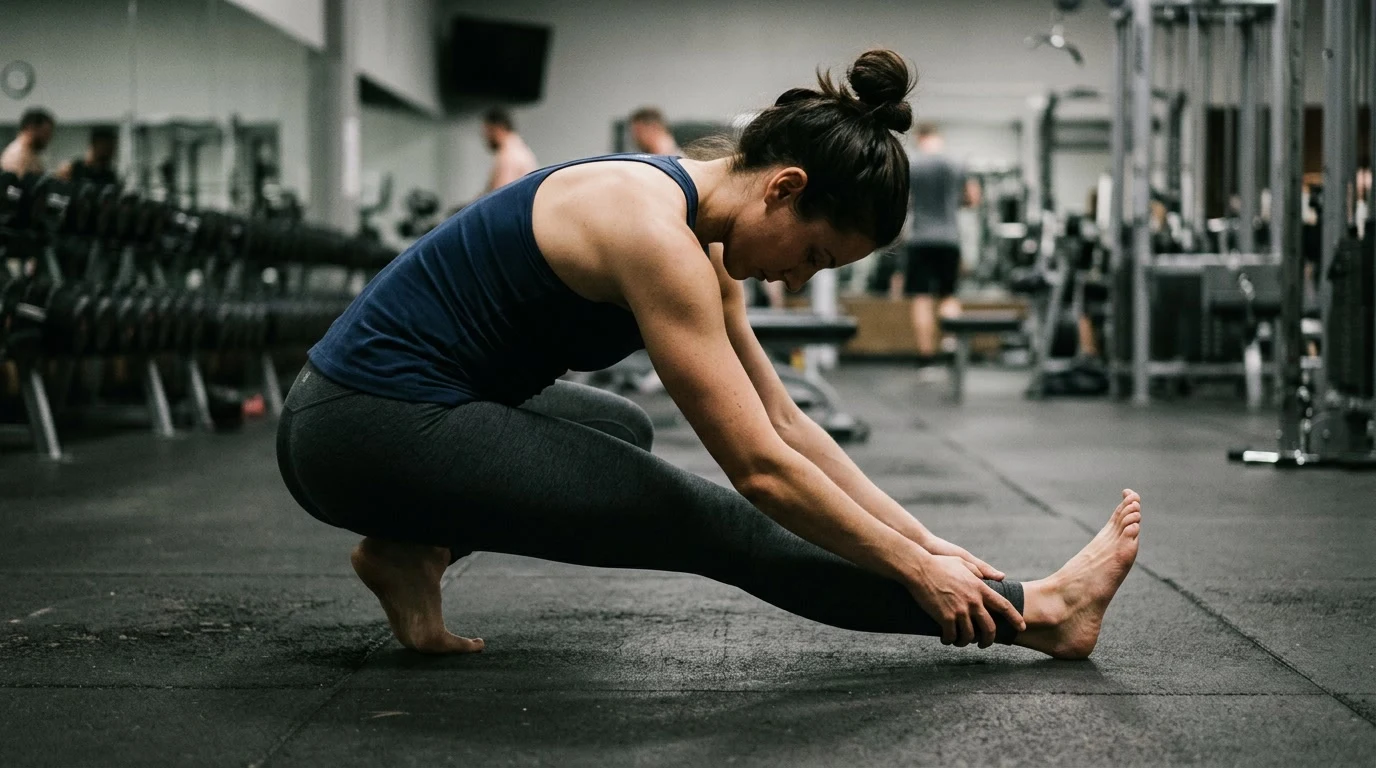
How Often You Actually Need to Stretch for Real Mobility Gains
Flexibility gains come from two or three sessions a week, not daily stretching — and timing matters more than most exercisers think.
Fitness News

How to Read a Fitness Story Without Falling for the Hype
Most fitness hype lives in the retelling, not the research, and four checks catch it: funding, species, effect size, and date.

A Third of Adults Don't Move Enough — What the Study Means for You
A Lancet Global Health analysis found 31 percent of adults physically inactive in 2022 and projected a rise — the useful part is the bar the world is missing.
Two Strength Sessions a Week Is the Floor, Not the Goal
The federal physical activity guidelines set frequency and muscle coverage for adults and stop there — here is what they require, what they leave open, and what the research says about how fast strength moves.
Health News
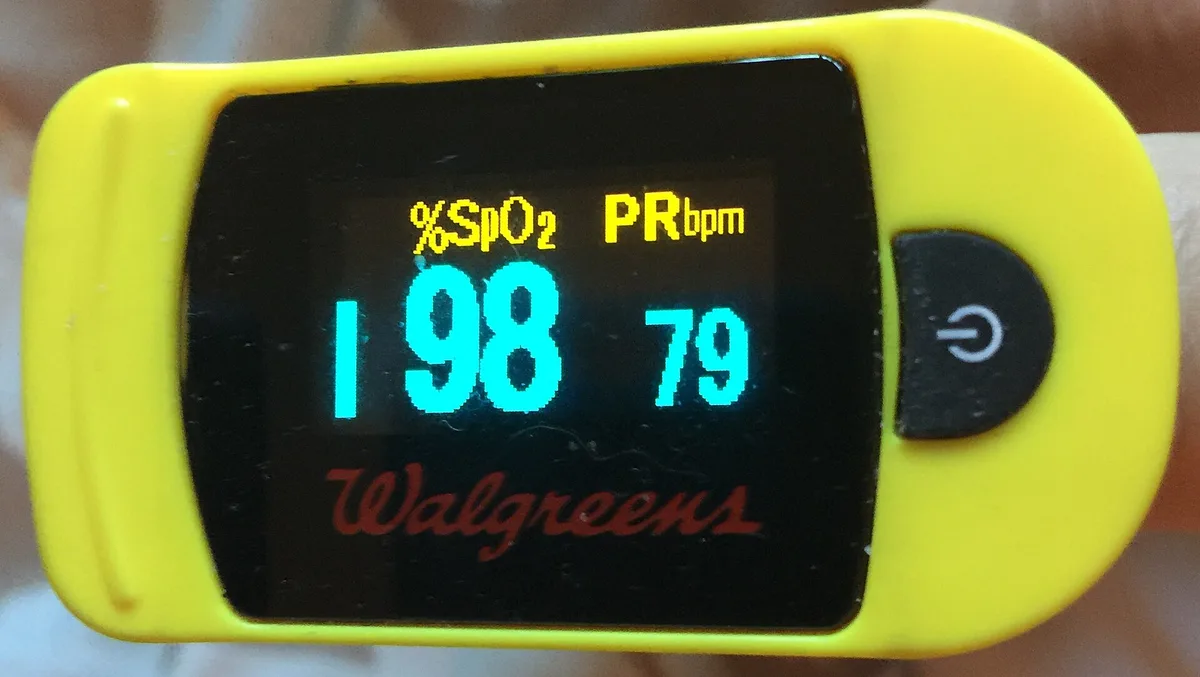
How to Lower Your Heart Rate
A resting heart rate of 60-100 is normal. Lower a racing pulse in minutes with slow breathing and vagal maneuvers, and cut resting rate with daily habits.

How to Spot Misleading Health Headlines Before You Change Anything
A practical checklist for reading health news today without falling for hype, cherry-picked studies, or hidden funding.

Vaccine Updates Explained Without the Panic
How vaccine recommendations are actually made, and how to find current guidance you can trust.
Latest
Worcester County Puts State Funding Behind Community Nutrition Projects
Small grants for gardens and healthy-eating programs show how county health departments turn state money into local food access.
Nutritionist vs Dietician: Which One Do You Need?
Dietitian is the regulated route for medical nutrition needs, while nutritionist remains an open title in most US states.
How to Lower Your Heart Rate
A resting heart rate of 60-100 is normal. Lower a racing pulse in minutes with slow breathing and vagal maneuvers, and cut resting rate with daily habits.
How to Read a Fitness Story Without Falling for the Hype
Most fitness hype lives in the retelling, not the research, and four checks catch it: funding, species, effect size, and date.