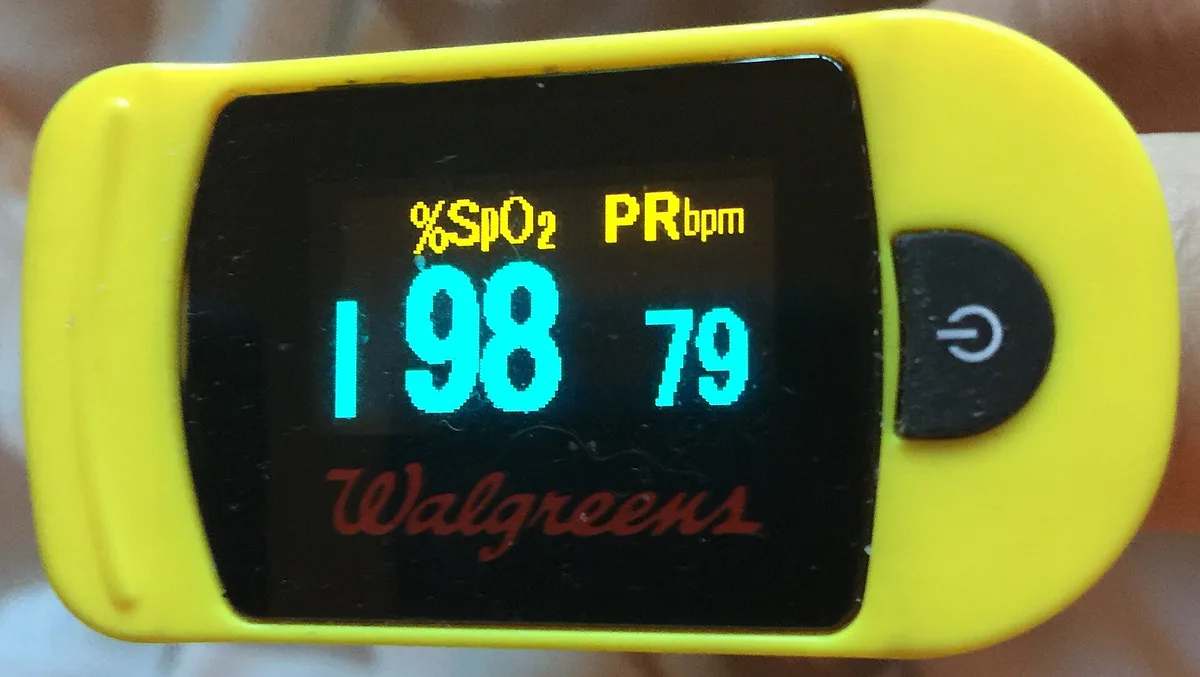
A normal resting heart rate for adults is 60 to 100 beats per minute. You can slow a racing pulse within minutes using slow breathing, cold water, and simple vagal maneuvers.
A rate that stays high at rest usually traces back to stress, stimulants, dehydration, or fitness gaps. Most causes are manageable at home — but chest pain, fainting, or a resting rate over 120 without a clear reason needs urgent care.
What Your Heart Rate Means
Your heart rate is the number of times your heart beats in one minute. It is not the same as blood pressure, which measures the force inside your arteries. The two move together during exercise but tell different stories.
At rest, an adult heart normally beats 60 to 100 times per minute. Doctors call a resting rate above 100 tachycardia. A rate below 60 is called bradycardia — in trained athletes it is a sign of a strong heart, not a problem.
Your pulse changes constantly. It rises when you move, feel stress, drink coffee, or run a fever. It falls during sleep and deep relaxation. One high reading means little; the pattern over days and weeks means everything.
How to Measure Your Pulse Correctly
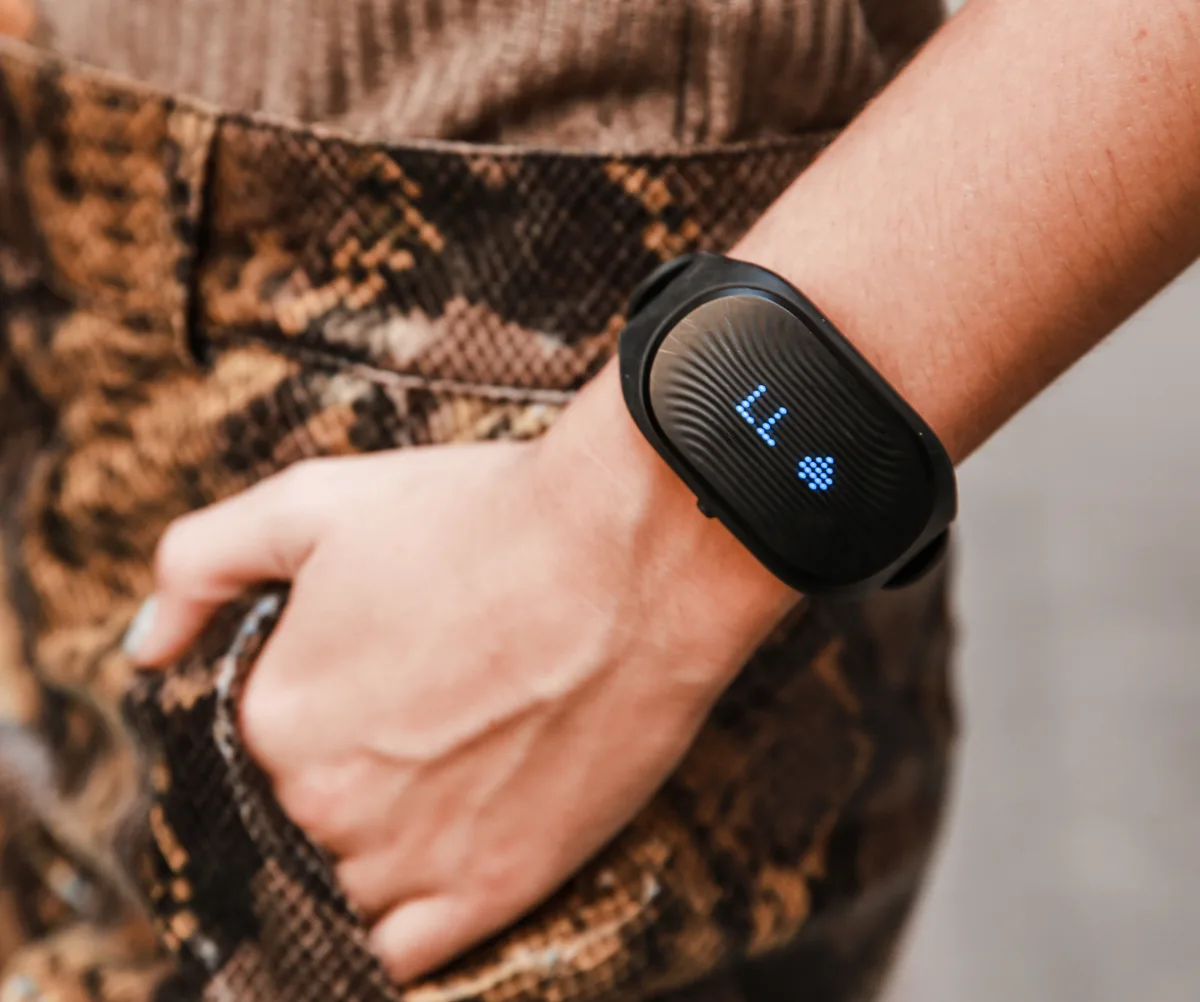
You do not need a smartwatch. Fingers and a clock with a second hand are enough:
- Place your index and middle fingers on the inside of your wrist, below the base of your thumb.
- Press lightly until you feel a steady tap.
- Count the beats for 60 seconds — or for 30 seconds and double the result.
- Measure at rest: seated, calm, after five minutes of sitting.
- Record the number, the time of day, and what you were doing.
Measure at the same times each day for a week. That log will show whether your resting rate is truly high or just briefly up.
Normal Heart Rate by Age
Resting heart rate shifts with age. No table needed — the picture is simple:
- Newborns and infants run fastest, often above 100 beats per minute, because their small hearts work quicker.
- Children gradually slow toward the adult range as they grow.
- Teenagers and adults land in the classic 60 to 100 band.
- Adults over about 65 often sit slightly above the midpoint of the range.
- Trained athletes can rest at 40 to 60 beats per minute and stay perfectly healthy.
Exercise tells a similar age-based story. Your rough maximum heart rate is about 220 minus your age. Target training zones fall near 50 to 85 percent of that maximum. At age 20 that zone is roughly 100 to 170 beats per minute; at 40 it is about 90 to 153; at 60 about 80 to 136. As you age, every heart number drifts down.
Why Your Heart Rate Goes Up
A fast pulse always has a driver. The common ones group neatly:
- Exercise and exertion — the healthy, expected reason.
- Stress, anxiety, and panic — adrenaline pushes the pace.
- Stimulants — caffeine, nicotine, energy drinks, and some recreational drugs.
- Dehydration — thinner blood volume makes the heart pump faster to compensate.
- Fever and infection — every degree of fever raises the pulse.
- Medicines — some thyroid pills, decongestants, and asthma inhalers speed the heart.
- Alcohol — both while drinking and during the morning-after withdrawal window.
- Anemia — less oxygen per red cell means more beats per minute.
- Overactive thyroid — a classic hidden cause of a steadily high resting rate.
- Pain, heat, and standing for long periods — all ask the heart to work harder.
If your resting rate runs over 100 for days with no obvious cause from this list, that pattern deserves a medical look — an overactive thyroid, anemia, or a heart-rhythm problem may be behind it.
What a High Resting Rate Means Over Time
One fast day means nothing. A resting rate that stays high week after week means the heart never gets its full rest between beats. Over time, that extra work adds up: the muscle handles more cycles per day, and the system holds a low hum of adrenaline it was not built for. For related coverage, see Heart Disease Still Kills More Americans Than Anything Else.
Two situations deserve special respect. First, some rhythm problems — atrial fibrillation is the best-known — let the upper chambers race irregularly. That rhythm allows clots to form in the heart, which raises stroke risk, so it needs a diagnosis rather than home management. Second, a persistently fast rate with fatigue and breathlessness can strain the heart over months and years.
The encouraging part is that resting rate is one of the most trainable numbers in your body. It responds to aerobic exercise, sleep, and stimulant cuts within weeks, and it gives you a daily number to watch. A heart that slows easily when you rest is doing its job.
Symptoms That Can Ride Along
A fast heart rate alone often feels like nothing. When symptoms join it, note them carefully:
- Palpitations — a pounding, fluttering, or skipped-beat feeling in the chest or throat
- Shortness of breath, especially at rest or lying down
- Dizziness or lightheadedness
- Chest pain or pressure
- Unusual fatigue
- Near-fainting or fainting
- Anxiety — which then speeds the heart further, feeding the loop
Chest pain, fainting, or breathlessness at rest are not "monitor at home" symptoms. They belong in the emergency column.
How Doctors Evaluate a Fast Heart Rate
The goal of evaluation is simple: catch the rhythm, not just the rate. Expect some mix of:
- Electrocardiogram (ECG) — a 10-second trace that reveals the heart's electrical pattern.
- Holter or event monitor — a wearable recorder for a day or a week, to catch episodes that come and go.
- Blood tests — thyroid hormones, blood counts for anemia, and markers of dehydration or infection.
- Exercise stress test — to see how the rate behaves under controlled load.
- Medicine and stimulant review — often the fastest diagnosis on the list.
Bring your home pulse log. A page of dates, times, and numbers often points the clinician straight to the cause.
How to Lower Your Heart Rate Right Now
These steps calm most racing-but-benign pulses within a few minutes:
- Stop and sit down. Take the load off, and let your body exit fight-or-flight mode.
- Breathe with a long exhale. Try the 4-7-8 pattern: inhale through the nose for 4 seconds, hold for 7, exhale slowly through the mouth for 8. Repeat four to six rounds. The long exhale signals the vagus nerve to slow the heart.
- Splash cold water on your face. Cold triggers the "dive reflex," which promptly eases the pace. A cool, damp cloth on the face works too.
- Use a gentle vagal maneuver. Safe home options include bearing down softly — as if straining — for several seconds, or one firm, deliberate cough. These maneuvers briefly raise pressure inside the chest and can reset a racing rhythm.
- Drink water. If dehydration or heat is the driver, this is the actual fix.
- Get fresh air and loosen tight clothing. Open a window, undo collars and belts, and let your chest move freely.
- Lie down on your side. If you feel wobbly, lying down protects you from fainting and helps the slow-down along.
Two maneuvers to avoid on your own: pressing on your eyeballs and rubbing your neck arteries. Both can be done in monitored medical settings, but unsupervised they are risky.
How Fast These Work
Slow breathing and cold water act within one to three minutes. Drinking water helps over the next quarter hour if dehydration was the cause. If a racing rate has not settled after 15 to 20 minutes of quiet effort — or if red-flag symptoms appear — treat it as urgent.
Long-Term Ways to Lower Resting Heart Rate
A lower resting rate is built with habits, not single moves:
- Do regular aerobic exercise. Walking briskly, cycling, swimming, or jogging for about 30 minutes most days trains the heart to push more blood per beat. Resting rates drop within weeks of consistent training.
- Quit smoking. Nicotine directly speeds the heart and tightens vessels. The acute spikes stop once you quit, and the benefit starts almost immediately.
- Cut back on stimulants. Keep caffeine to morning cups, and drop energy drinks entirely if your resting rate runs high.
- Manage stress daily. Ten minutes of meditation, slow-breathing practice, or time away from screens lowers the background adrenaline level your heart sits on.
- Sleep 7 to 9 hours. Poor sleep keeps the resting rate elevated the next day.
- Stay hydrated. Make water your default drink; dehydration quietly raises the pulse all day.
- Eat fish regularly. Fatty fish supports overall heart health and fits into a rate-lowering lifestyle.
- Limit alcohol. It speeds the pulse during drinking and again during withdrawal.
- Keep a healthy weight. Extra body mass means extra work for the heart at rest.
- Treat underlying conditions. Thyroid problems, anemia, and fevers all push the rate up until the cause itself is handled.
Exercise Heart Rate vs. Resting Heart Rate
A high rate during exercise is normal and even desirable — that is training. What matters is how fast the rate climbs for a given effort, and how quickly it falls afterward.
- During exercise, a rising pulse simply means your muscles are asking for oxygen.
- Recovery is the real fitness marker: after stopping, a fit heart drops noticeably within the first minute or two.
- At rest, a lower rate generally reflects a stronger heart — down to about 40 in athletes.
Use the age-based zones as guardrails. At age 30, a 20-minute jog near 130 beats per minute is a moderate effort. At 60, the same jog should sit closer to 110. Warm up, cool down, and stop if you feel chest pain, dizziness, or nausea — those are not fitness signals.
A simple one-minute recovery check tells you a lot:
- Note your rate right at the end of a workout.
- Sit down and rest quietly for exactly 60 seconds.
- Measure again. A clear drop after one minute of rest is a good fitness sign.
Repeat the check monthly. As your recovery improves, your resting rate usually follows it down.
Heart Rate Myths Worth Dropping
- "Lower is always better." In untrained people, a rate under 50 with dizziness or fatigue needs checking, not celebrating.
- "A fast pulse means heart disease." Usually it means stress, caffeine, or a fever. The pattern matters, not one reading.
- "You must hit your maximum in training." Hardly anyone should. Everyday fitness lives in the moderate zone.
- "A racing pulse after coffee is dangerous." A modest bump after caffeine is normal. It settles as the caffeine wears off.
Medicines and Medical Treatment
There is no safe over-the-counter "pulse-lowering pill." Real options exist, but they come through a clinician:
- Prescription rate-control medicines — such as beta-blockers — for diagnosed conditions.
- Rhythm control — specific medicines for atrial fibrillation or other arrhythmias.
- Vagal maneuvers taught in clinic — refined versions of the home techniques above, for people with diagnosed SVT.
- Catheter ablation — a procedure that eliminates the faulty electrical circuit causing certain fast rhythms.
- Medication review — decongestants, thyroid doses, and inhalers sometimes carry the blame.
If a fast rate is new for you, get diagnosed before treating anything. The right fix depends entirely on the rhythm behind the number.
What Not to Do
- Do not ignore chest pain or fainting "to see if it passes."
- Do not press on your eyes or massage your neck arteries to slow your pulse — unsafe without monitoring.
- Do not stack caffeine and energy drinks during a fast-rate episode.
- Do not keep exercising through dizziness or nausea.
- Do not use someone else's heart medicines to calm your own pulse.
- Do not panic-measure ten times an hour — anxiety will keep the rate up all day.
Prevention: Keeping a Low Resting Rate
- Move your body most days of the week.
- Keep caffeine moderate and morning-only.
- Build a wind-down routine for better sleep.
- Drink water before you feel thirsty.
- Step away from screens for a real break daily.
- Get an annual checkup that includes a thyroid look if your rate creeps up.
Prognosis: What to Expect
Benign fast pulses from stress, stimulants, or dehydration respond quickly — minutes for the episode, weeks for the habit changes. Fitness gains show up as a lower resting rate within one to two months of regular aerobic work. Diagnosed rhythm problems, like SVT or atrial fibrillation, today have effective medicines and curative procedures, so most people land back in the normal range. The main work is noticing when the number is just effort — and when it is a message. This connects to our earlier piece, A Few Minutes of Hard Effort a Day, Lower Disease Risk.
When to See a Doctor
Emergency — Call 911
- Chest pain or pressure that lasts more than a few minutes
- Fainting or near-fainting during a fast-rate episode
- A resting rate over 120 with no exercise, fever, or obvious trigger
- Shortness of breath at rest, or breathlessness lying flat
- Confusion, cold sweat, or gray pallor with a racing pulse
- Fast pulse after cocaine or other stimulant drug use
See a Doctor the Same Day
- A rate over 100 at rest that will not come down after 20 minutes of calm
- New palpitations with dizziness but no emergency signs
- Fever with a pulse that stays high after the fever breaks
Schedule a Routine Visit
- Resting rate consistently above 90 despite good sleep and hydration
- Palpitations that keep returning without a clear trigger
- You started a new medicine and your resting rate climbed
- You want a baseline ECG before starting an intense training plan
What is a normal resting heart rate?
For most adults, 60 to 100 beats per minute at rest is normal. Trained athletes commonly rest at 40 to 60. Children naturally run faster, and infants can sit well above 100. What matters is your personal trend, not one reading.
Is a heart rate over 100 dangerous?
During exercise, fever, or stress, no — it is expected. At complete rest, over 100 is called tachycardia and deserves attention if it persists. Over 120 at rest with chest pain, fainting, or breathlessness is an emergency.
Why is my heart rate high while resting?
Common causes include stress, caffeine, dehydration, alcohol, anemia, an overactive thyroid, and some medicines. If none fit and your rate stays above 100 for days, see a clinician for basic blood tests and an ECG.
Does slow breathing really lower heart rate?
Yes. A long, slow exhale activates the vagus nerve, which directly slows the heart. The 4-7-8 pattern — breathe in for 4 seconds, hold for 7, out for 8 — usually brings the rate down within a few rounds.
Should I go to the ER for a fast heart rate?
Go if you have chest pain, fainting, breathlessness at rest, or a resting rate above 120 with no cause. If the rate settles quickly and you feel fine afterward, a routine visit with an ECG is a reasonable next step instead.
Conclusion
An adult resting heart rate of 60 to 100 beats per minute is normal, and trained athletes can safely sit lower. For a pulse racing right now, sit down, breathe with long exhales in the 4-7-8 pattern, splash cold water, and let a gentle vagal maneuver settle things. For a resting rate that runs high day after day, the fix is habit: aerobic exercise most days, less caffeine and nicotine, real sleep, water, and stress control. Chest pain, fainting, or a resting rate above 120 without a cause is an emergency — act on it, not around it.