
A sprawling heat dome parked over the central and eastern United States during the week of June 29 to July 4, 2026, shattering record highs and placing well over 100 million Americans under excessive heat warnings and advisories at points, per National Weather Service-based tallies in early July 2026. For anyone who trains outdoors, the first two weeks of July became less about workouts and more about scheduling around a public-health event.
Heat illness escalates fast and does not care about training motivation: dizziness, confusion, nausea, or a halt in sweating during exertion in heat is a stop-and-cool situation, and worse symptoms mean emergency care.
What happened, in plain numbers
The dome produced record-breaking heat across the Midwest, South and East during the Independence Day week, per weather service advisories and meteorological reporting in early July 2026; some accounts described the hottest conditions in the region in 15 years. Nighttime lows stayed elevated, which matters more than the daytime peak — the body recovers from heat stress overnight, and warm nights mean it does not.
The tool built for exactly this is the CDC and National Weather Service's HeatRisk forecast, a five-level scale that flags when heat becomes dangerous for a given area, accounting for how unusual the heat is for the season and how long both days and nights stay hot. Much of the affected map sat in the top categories through the week.
What it changes for everyday exercisers
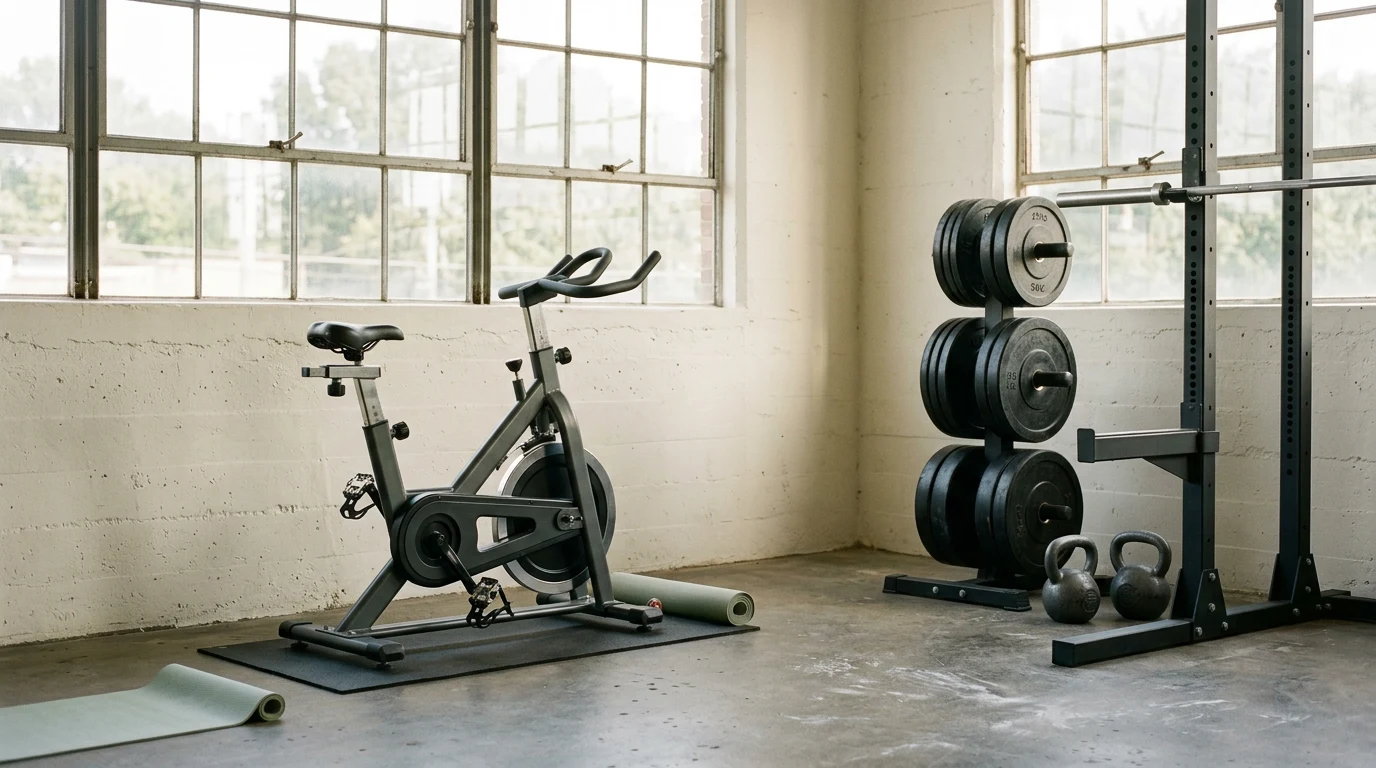
The adjustments that matter are boring and effective. Move the session to early morning, when the HeatRisk scale is usually lowest. Cut intensity rather than duration where you can — hard intervals in a heat advisory are a different physiological task than the same intervals in May. Double the fluids you think you need, add sodium if the session runs long, and treat a cooling-off period after as part of the workout, not an optional extra.
The bigger shift is seasonal: July 2026's early dome followed a late-June event that already put tens of millions under major heat risk, so the pattern this summer is repeat exposure, not a one-off. Planning — indoor backup days, pool sessions, strength work in air conditioning — is now a normal part of a summer training week, not a sign of softness.
The point of context other coverage skipped
Most coverage ranked the temperatures. The training-relevant detail is humidity's interaction with the record highs: heat deaths and heat illness track wet-bulb conditions, and a record dry heat is survivable for exertion in ways a lower number with high humidity is not. The second detail is cumulative strain — back-to-back hot nights degrade next-day performance and judgment even in fit people, which is why the second and third days of a heat event produce more casualties than the first. Check the overnight low, not just the afternoon high, before you plan the week.
Frequently asked questions
How hot did the July 2026 heat dome get?
Record highs were broken across the central and eastern US during the week of June 29–July 4, 2026, per National Weather Service advisories and meteorological reporting, with some regions seeing their hottest conditions in about 15 years.
Is it safe to run in a heat advisory?
It depends on the HeatRisk level, humidity, and your own acclimatization and health status. Shifting to morning, lowering intensity, and hydrating with sodium reduce risk; anyone with heart or lung conditions should confirm outdoor exertion in heat with a clinician.