
Worcester County Puts State Funding Behind Community Nutrition Projects
Small grants for gardens and healthy-eating programs show how county health departments turn state money into local food access.
Nutrition deals with eating for performance and body composition: daily protein targets, carbohydrate availability around sessions, hydration, and the handful of supplements with credible trial support. Each recommendation carries a number and a source, and marketing claims are separated from measured effects before anything gets suggested.
Nutrition coverage from Get Best Health Info.
Small grants for gardens and healthy-eating programs show how county health departments turn state money into local food access.

Dietitian is the regulated route for medical nutrition needs, while nutritionist remains an open title in most US states.
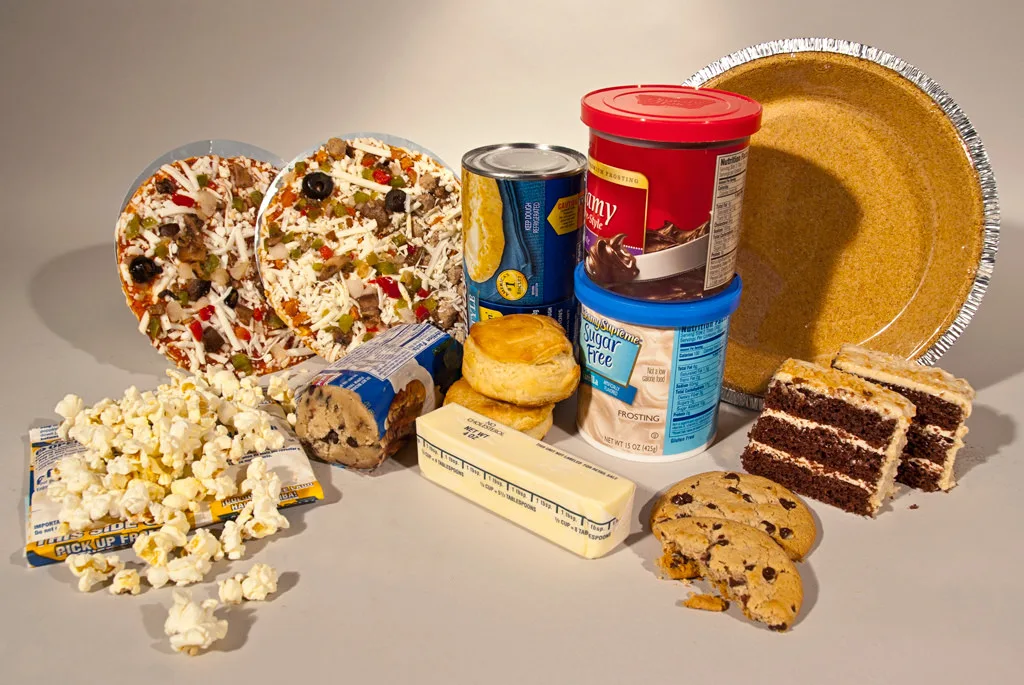
A step-by-step way to read a nutrition facts label in the store: check the panel, note the base amount, and compare brands with confidence.

For recreational lifters and runners, the commonly used research range is 1.4 to 2.0 grams per kilogram of body weight per day — and most people miss the distribution, not the total.

The standard RDA is a floor for sedentary adults, not a training target. Here's what the sports-nutrition evidence actually recommends for people who exercise regularly.

Late workouts do not ruin your gains or your sleep — a real dinner with 30–40 g of protein after training covers recovery, per the cited research on post-exercise nutrition.