Soreness that will not leave usually points back to rest days with no plan: no easy movement, tools picked by hype, short nights, then hard training again. The fix is boring and specific. A 2018 review of 99 studies in Frontiers in Physiology rated massage, active recovery, and compression among the better-supported ways to ease soreness.
None of this makes soreness the enemy. It is a normal response to new work, and it fades on its own. The four mistakes below stretch that timeline or make the next session worse. Fix them one at a time.
What Soreness Actually Is
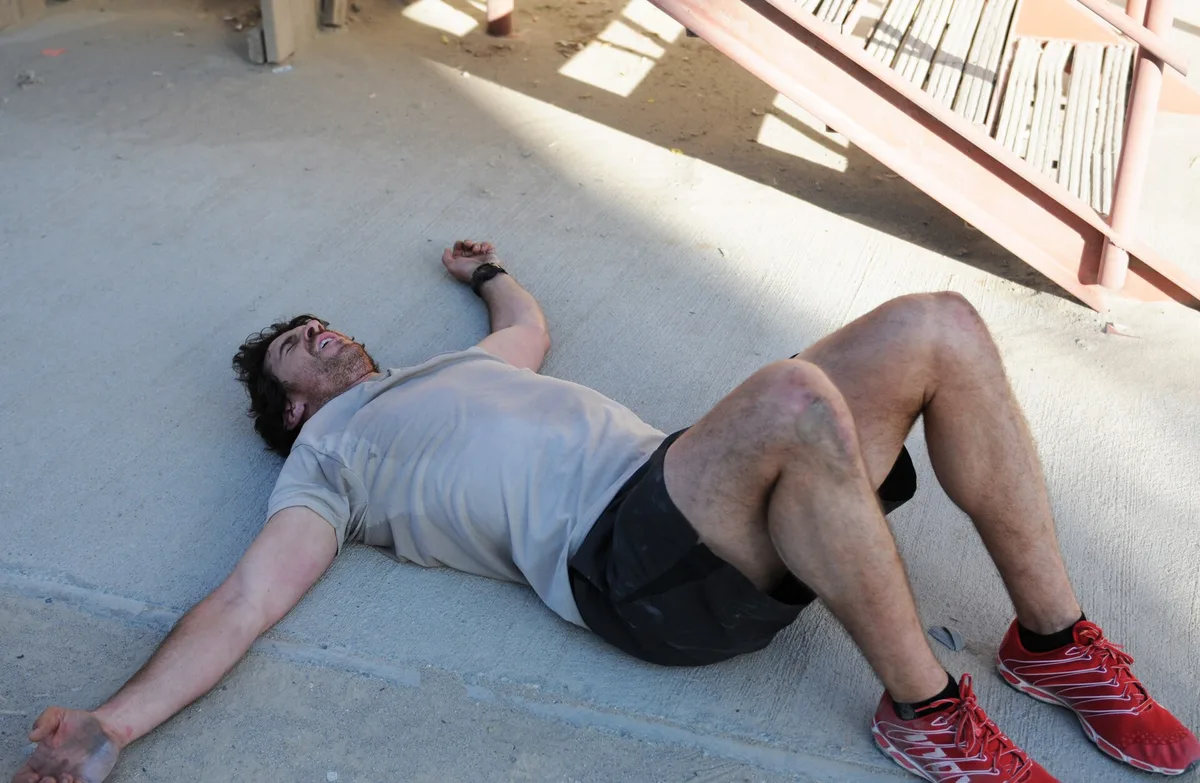
Delayed onset muscle soreness follows work your body has not adapted to yet. A 2003 review in Sports Medicine links it to micro-injury from hard eccentric work — think lowering phases and downhills — and to the swelling that follows, per the review. It also changes how you move. Range of motion and peak torque drop. Shifted movement patterns can then load tendons and joints in new ways. The ache rides along with normal repair, so a quiet day is part of the work, not a break from it.
Mistake One: Doing Absolutely Nothing
Total rest feels right and works poorly. In the 2018 review, active recovery, meaning easy movement, reduced soreness ratings, per the meta-analysis. The Sports Medicine review goes further: exercise was its most effective way to ease pain during soreness, though the relief is short. So move gently on rest days. A short walk, an easy spin, or a light swim all count. The couch is not a treatment. We covered a connected angle in Active Recovery vs Rest Days: Which Does Your Body Need?.
Mistake Two: Treating Soreness as the Scoreboard
Soreness tracks novelty, not quality. Per the Sports Medicine review, build new or eccentric work up over one to two weeks, and cut the load for one to two days after a session that leaves you sore. You can also train the parts that hurt least. Piling on extra volume just loads tissue that is still repairing.
Mistake Three: Buying Recovery Instead of Doing It
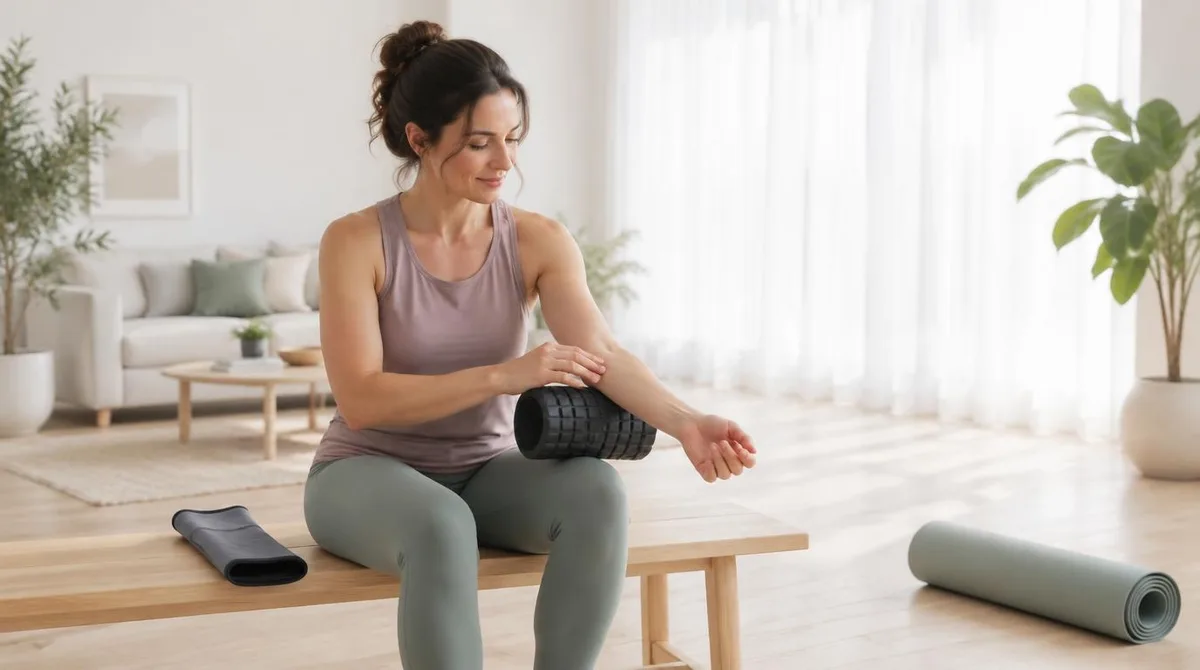
Tool hype outruns tool evidence. In the 2018 review, massage gave the largest drops in soreness and fatigue, per the study. Compression, water immersion, and contrast baths also helped. Massage is the one tool both reviews treat kindly, even where they argue about timing and technique.
The two reviews disagree on cold. The 2003 review found no effect for cryotherapy on soreness. The 2018 review counted immersion and cryotherapy among the helpers. When sources split, treat cold as comfort, not repair. Both point the same way on the basics: easy movement beats anything expensive. Readers following this should also see Cold Water Immersion: What the Evidence Actually Supports.
Mistake Four: Treating Sleep as Optional
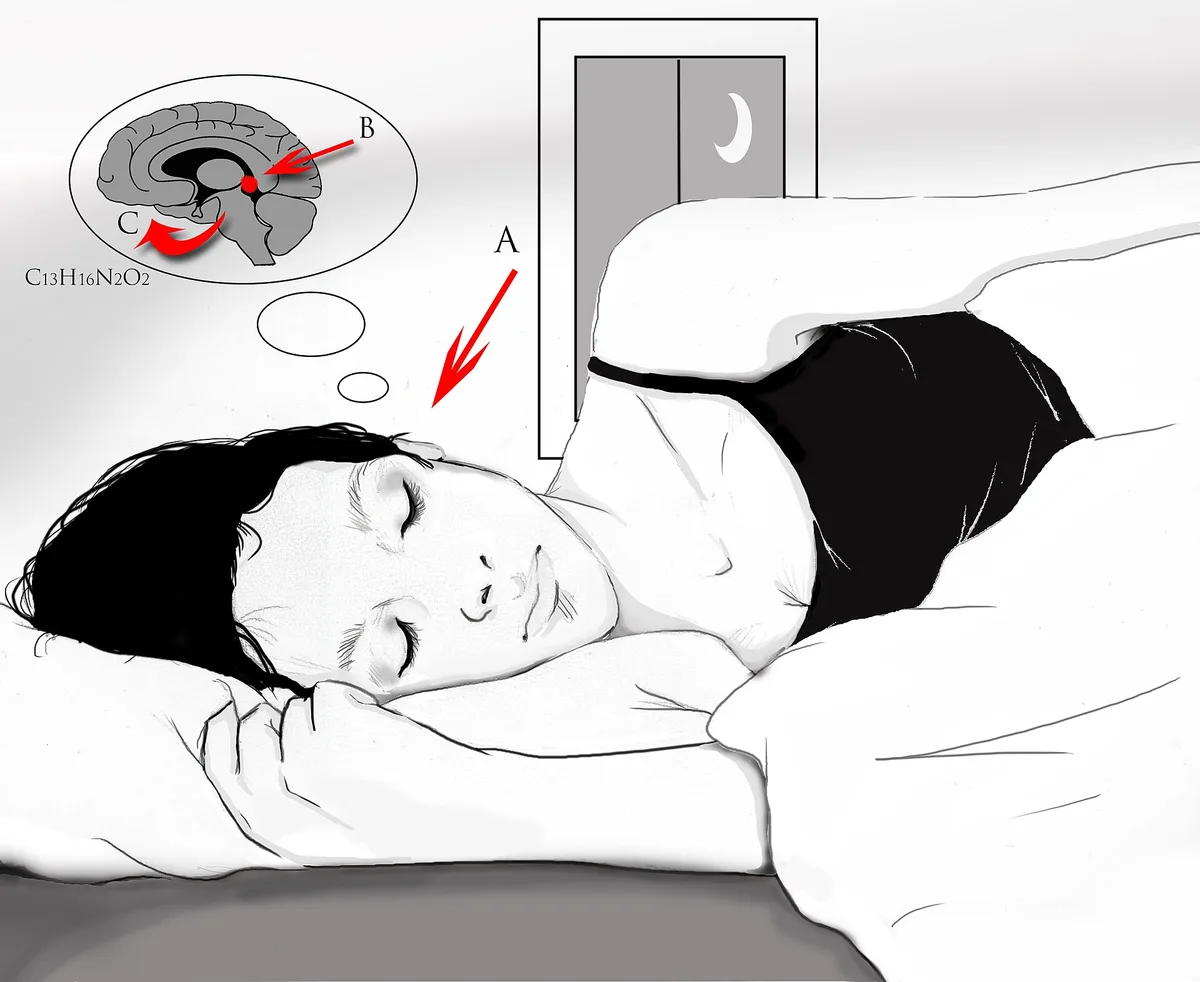
Repair runs mostly overnight. Per a National Institute on Aging overview reviewed in 2022, adults need seven to nine hours of sleep, and older adults are no exception. A 2015 joint consensus from the American Academy of Sleep Medicine and the Sleep Research Society took up the same question, per the statement. A short night on a rest day is a missed repair window, not a neutral loss.
When Soreness Is Not Normal
Most soreness settles with simple home care. Some signs end that plan. Per MedlinePlus muscle aches guidance, contact a health professional when muscle pain lasts more than three days, when pain is severe or unexplained, or when you see signs of infection such as swelling or redness around the muscle. Get emergency care for sudden shortness of breath, muscle weakness, or loss of movement in a body part. While pain lasts, the same page advises skipping high-impact exercise and heavy lifting.
Conclusion: Rest Days Need a Plan, Not a Purchase
A recovery day is training with lower stakes. Move gently, use the cheap tools first, protect seven to nine hours of sleep, and keep heavy loads away from sore tissue until it settles. Do that, and soreness becomes a note in your log, not a week lost to the couch.