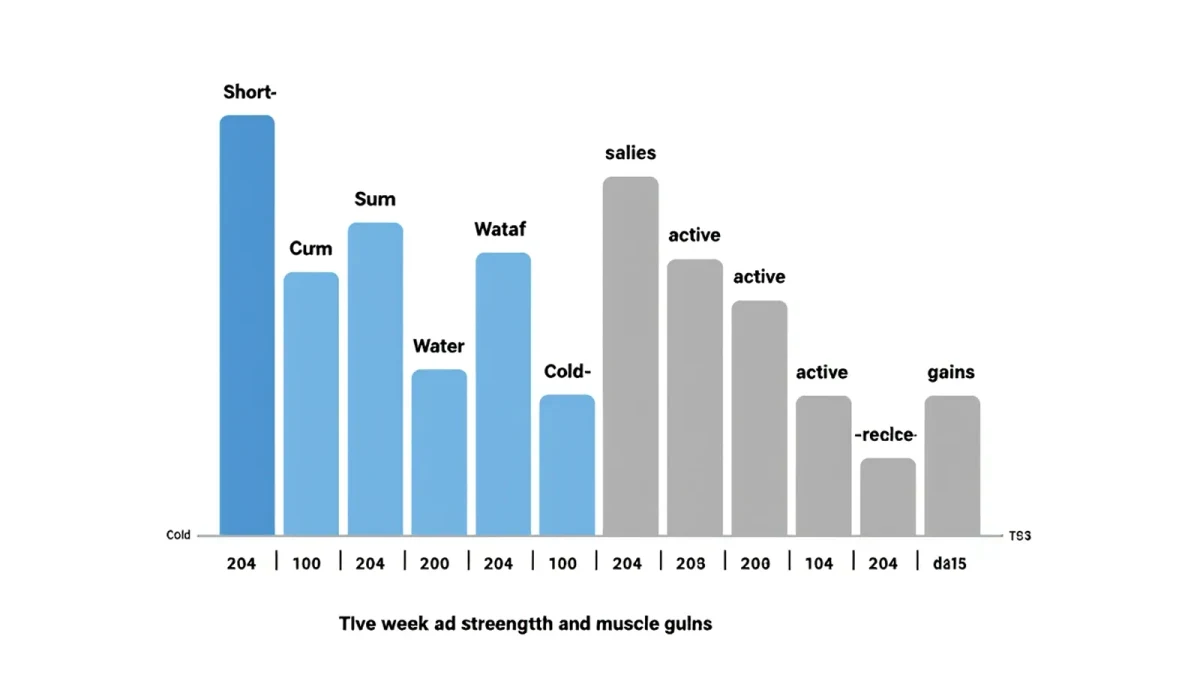

Cold water immersion has real, but narrow, evidence behind it. A 2022 systematic review and meta-analysis by Espeland and colleagues in Sports Medicine found cold water immersion modestly reduced muscle soreness and perceived fatigue 24 to 48 hours after hard exercise. The catch: a 2015 study by Roberts and colleagues in The Journal of Physiology showed that regular cold baths after resistance training blunted muscle growth and strength gains. Same tool, opposite goals.
This site publishes information, not medical advice. Cold water immersion is not harmless for everyone — if you have a heart condition, high blood pressure, or Raynaud's disease, talk with a clinician before trying it, and never immerse alone.
What does cold water immersion actually do?
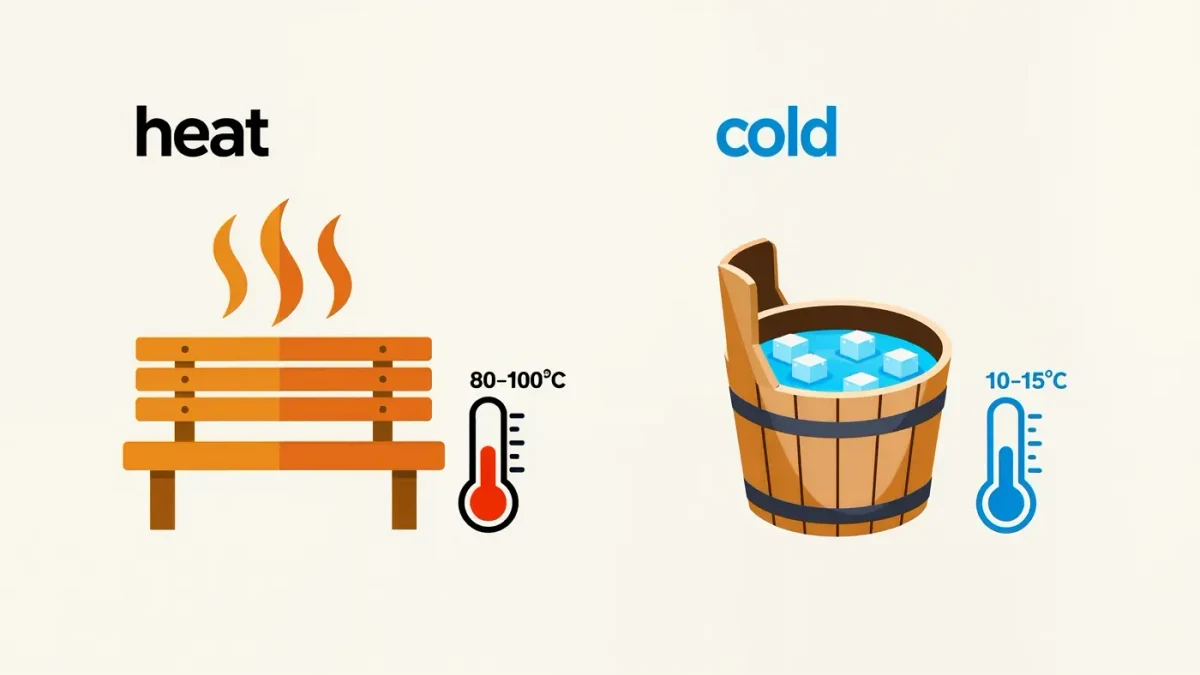
Cold water immersion — usually 10–15°C water for 10–15 minutes, ranges reported across the reviewed trials — cools the tissue, narrows blood vessels, and reduces the sensation of soreness. The commonly cited protocol from the reviewed studies sits around 11–15 minutes at 11–15°C within an hour of finishing exercise.
What you feel is real. Whether what you feel reflects faster repair is where the evidence splits.
What does the research support?
- Short-term soreness relief. The Espeland meta-analysis (Sports Medicine, 2022) pooled dozens of trials and found cold water immersion outperformed passive rest for perceived recovery and soreness at 24–96 hours, with effects largest in the first two days.
- Perceived fatigue. Athletes consistently rate themselves as fresher after cold immersion than after rest, across multiple trials included in that review.
If your priority is feeling ready for the next session within a day or two — a tournament weekend, two hard days back to back — the evidence is on your side.
What does the research warn against?
The adaptation problem. Roberts and colleagues (The Journal of Physiology, 2015) had young men train legs twice a week for 12 weeks; one group sat in cold water after each session, the other cycled gently. The cold-water group built less muscle and gained less strength. A 2019 review by Ihsan and colleagues in Sports Medicine laid out the proposed mechanism: cold blunts the inflammatory signaling that resistance training uses as a trigger for adaptation.
In plain terms: inflammation after lifting is not just damage to be quieted. It is part of the message that tells muscle to grow. Dousing it after every session may muffle the message.
What the sources did not establish
Be honest about the gaps, because most coverage is not:
- No long-term outcome data. The recovery trials measure days, not months. Whether habitual cold plunges help or harm long-term training results beyond the Roberts study is not settled.
- Doses vary wildly. Temperature, duration, and timing differ across trials, which the Espeland review flags as a limitation — effect sizes are hard to compare.
- Most samples are young and trained. Older adults, beginners, and clinical populations are barely represented.
- Fat-burning and mood claims are thin. Social media promises around metabolism and mental health rest mostly on small, short, or preliminary studies — not on the recovery literature.
So who should use cold water, and when?
The evidence supports a narrow use case. Match the tool to the goal:
| Your goal | Cold water sensible? |
|---|---|
| Two hard sessions within 24–48 hours (tournament, camp) | Reasonable — soreness relief is the best-supported effect |
| Getting sore but strong from strength training | Think twice — post-lift cold baths blunted gains in the Roberts trial (2015) |
| Recovery from a routine Tuesday session | No — soreness fades on its own in the same window |
A practical rule many coaches now use: keep cold water for competition periods, not for the build. If you enjoy it after easy cardio and it does not compete with strength goals, the risk is small; if your goal is muscle, do not sit in it after every lift.
Using it safely
- Get clearance if you have any cardiovascular condition, and never immerse alone.
- Start warmer and shorter — around 15°C for 5–10 minutes — before trying longer stays.
- Keep it after hard endurance or competition days, not right after lifting sessions you want to pay off.
- Exit if you feel numb, dizzy, or breathless. Shivering that will not stop means warm up now.
Is cold showering the same thing?
No, and most cold-shower claims borrow from immersion research they do not match. A cold shower is brief, warmer on the skin, and does not cool muscle tissue the way 15 minutes of immersion does. The trials behind soreness relief used immersion. Treat a bracing cold shower as a wake-up habit, not a recovery protocol — and treat anyone selling it as equivalent to an ice bath as a source to distrust.
When to see a professional
See a clinician before cold water immersion if you have heart disease, uncontrolled blood pressure, an arrhythmia, cold urticaria, or Raynaud's disease. During any plunge, chest pain, confusion, or uncontrollable shivering means stop and warm up immediately. And if soreness is severe, one-sided, or accompanied by dark urine after extreme exercise, seek medical care — those are not normal soreness signals.
FAQ
How cold and how long should a cold plunge be?
The commonly used range in the reviewed trials is about 10–15°C water for 10–15 minutes, within an hour after exercise, per the 2022 Sports Medicine meta-analysis by Espeland and colleagues. Start warmer and shorter if you are new, and treat these as study ranges rather than a prescription. Never plunge alone.
Do ice baths ruin muscle gains?
They can, when used after lifting. In the Roberts trial (The Journal of Physiology, 2015), regular post-workout cold baths over 12 weeks blunted muscle growth and strength gains compared with active recovery. The proposed reason is reduced inflammatory signaling. Occasional use is unlikely to erase progress; habitual use right after resistance training works against the adaptation you trained for.
Are cold plunges worth the money?
The evidence does not require expensive equipment — the reviewed trials used tubs, water, and ice. Paying for a dedicated plunge setup is a comfort choice, not an evidence-driven one. What matters is water temperature and duration, and a basic chest cooler achieves both. Spend on sleep and food first; the evidence there is far stronger.