
Alcohol works against muscle recovery on at least two measured fronts. In a 2014 study by Parr and colleagues in PLoS ONE, drinking the equivalent of about six standard drinks after resistance training reduced myofibrillar muscle protein synthesis — the rebuilding process you train for — by around 24 percent, even when protein was consumed. And a 2010 study by Barnes and colleagues in the European Journal of Applied Physiology found alcohol after eccentric exercise elevated creatine kinase, a marker of muscle damage, for days afterward. If recovery is the goal, the dose matters: light intake shows little effect, while post-session heavy drinking reliably costs you.
This site publishes information, not medical advice. This article covers single-session recovery, not long-term health effects of drinking. If drinking feels hard to control, or you drink daily, talk with a clinician — that is a medical conversation, not a training tweak.
What does alcohol actually do to recovering muscle?
Three mechanisms show up in the measured research:
- Blunted muscle protein synthesis. The Parr study (2014) measured synthesis directly in the trained leg: alcohol plus protein still left rebuilding about 24 percent below the protein-only condition. Recovery nutrition cannot fully offset a heavy night of drinking.
- Worse damage markers. Barnes and colleagues (2010) gave alcohol after eccentric exercise and tracked creatine kinase for up to 60 hours; the alcohol trials ran higher, suggesting the muscle was dealing with extra disruption on top of training damage.
- Recovery costs beyond the muscle. Alcohol disrupts sleep architecture — the deep-sleep phases where much recovery work happens — and drives dehydration. Both are covered in the alcohol and sleep literature and both stack on top of the direct muscle effects.
What the evidence does not show: alcohol as an anti-inflammatory aid at low doses, or the popular claim that a light drink after training meaningfully helps anything recovery-related.
How much alcohol does it take to matter?
Dose is everything, and the research sorts cleanly:
| Dose after training | Measured effect | Source |
|---|---|---|
| ~1–2 standard drinks | Little to no measurable effect on synthesis or damage markers | Parr et al., 2014 (low-dose arm) |
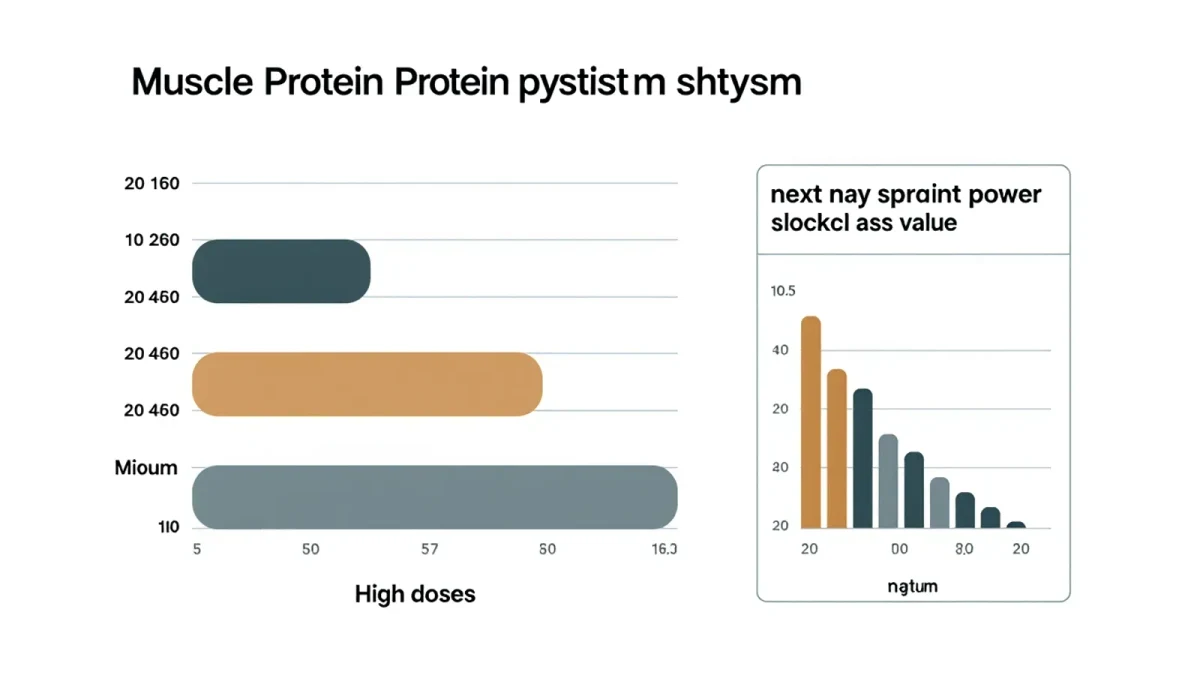
| ~6 standard drinks | Muscle protein synthesis down ~24%, even with protein intake | Parr et al., 2014 |
| ~1 g/kg (large dose) | Elevated creatine kinase for days after eccentric exercise | Barnes et al., 2010 |
The honest reading: a single drink with dinner after training is noise. A post-match night of six-plus drinks is a measurable tax on the adaptation you just trained for. Most recreational athletes' real-world drinking sits between those poles — closer to one pole or the other depending on the weekend.
Does eating protein first cancel it out?
Partially, and the Parr study is the direct test. Participants consumed protein after training — and alcohol still cut synthesis by roughly a quarter versus protein alone. Protein first is still worth doing, because it removes under-eating as a second problem. But no food combination erases the alcohol effect in the data. The only measured way to avoid the effect is to keep the dose low or move it further from the training window.
Does timing matter — how long after training?
The vulnerable window is the hours right after training, when synthesis rates in the trained muscle are elevated and the rebuilding process is at full draw. Drinking during that window is what the trials tested. The practical, evidence-aligned strategy many athletes use: refuel properly first — protein, carbohydrate, fluids — and if you are going to drink, keep it light and later rather than heavy and immediate. Drinking the night before a hard session carries its own costs: degraded sleep quality and dehydration show up in the next morning's performance.
If you are drinking around training, the sensible order
- Refuel first: 30–40 g of protein, carbohydrate to match the session, and water.
- Keep intake light — one or two standard drinks at most — or move it to a non-training day.
- Alternate with water, and stop early enough to protect sleep.
- Never train hungover-hard the next morning; make it an easy day and protect form.
What the sources did not establish
The recovered-science picture has limits worth stating. The Parr measurements come from a single session in young, active people — long-term studies of habitual moderate drinking and training adaptation are limited. Most trials measure days, not training blocks, so the cumulative cost of a weekly heavy night over months is not well quantified. And sex differences are under-studied: much of the available data comes from male participants. The direction of the evidence is consistent; the precise long-term size of the tax is not nailed down.
When to see a professional
Talk with a clinician if you find it hard to keep drinking within your intended limits, if drinking regularly disrupts sleep, training, or recovery despite honest effort, or if you drink daily and want to stop — alcohol dependence is a medical condition with effective treatments, and it deserves a professional conversation, not willpower resolutions. Athletes taking medications should also check interactions before drinking around training.
FAQ
Is one beer after a workout bad for recovery?
Probably not meaningfully. The low-dose arm of the Parr study (PLoS ONE, 2014) — around one to two standard drinks — showed little to no measurable effect on muscle protein synthesis. The measurable damage starts at heavier post-session doses, around six drinks, where synthesis fell about 24 percent. A single light beer with a proper meal sits in the noise range.
Does alcohol kill your gains?
Heavy drinking slows them measurably; it does not zero them. Around six standard drinks after lifting cut muscle protein synthesis by roughly a quarter even with protein intake, per Parr and colleagues (2014). The occasional heavy night is a cost, not a catastrophe — a weekly pattern of them adds up. Keep heavy drinking away from hard training days and the tax stays small.
Is it worse to drink the night before or after training?
Both windows cost you differently. Drinking right after training hits the elevated muscle-protein-synthesis window the Parr trial measured. Drinking the night before degrades sleep quality and hydration, which shows up in next-day performance. If the choice exists, the lighter dose and the later timing win — and a rest day between the session and the drinks is the cheapest fix.