
Loneliness is not just a bad feeling. It is a health signal. Per Psychology Today, research links chronic loneliness to heart disease, type 2 diabetes, depression, and weakened immunity — the same categories of risk we track with food and exercise. The catch: it is subjective. You can be surrounded by people and still feel unseen.
That distinction matters for anyone building a health routine. Roughly one in six people worldwide experience significant long-term loneliness, according to Wikipedia's overview of loneliness research, and it can show up inside marriages and busy careers. If you already track sleep, steps, and protein, your sense of connection belongs on the same list.
What is the difference between loneliness and being alone?
Nothing, if you chose it. Everything, if you didn't. Solitude is voluntary time by yourself, and it can be restful and even restorative. Loneliness is the distress that appears when the connection you want is bigger than the connection you have, as Science News Today explains in its review of the psychology of loneliness.
So the question is not "how many people did I see this week?" It is "did I feel understood by any of them?" Quality leads. A lively group chat can leave you lonelier than one honest coffee with a friend.
How does loneliness affect the body?
Short version: like a stressor that never switches off. Loneliness evolved as a social alarm — a signal that pushed our ancestors back toward the group, where survival lived. When reconnection does not come, the alarm keeps ringing, per the Science News Today review. We covered a connected angle in Why Group Exercise Keeps People Coming Back — What the Research Shows.
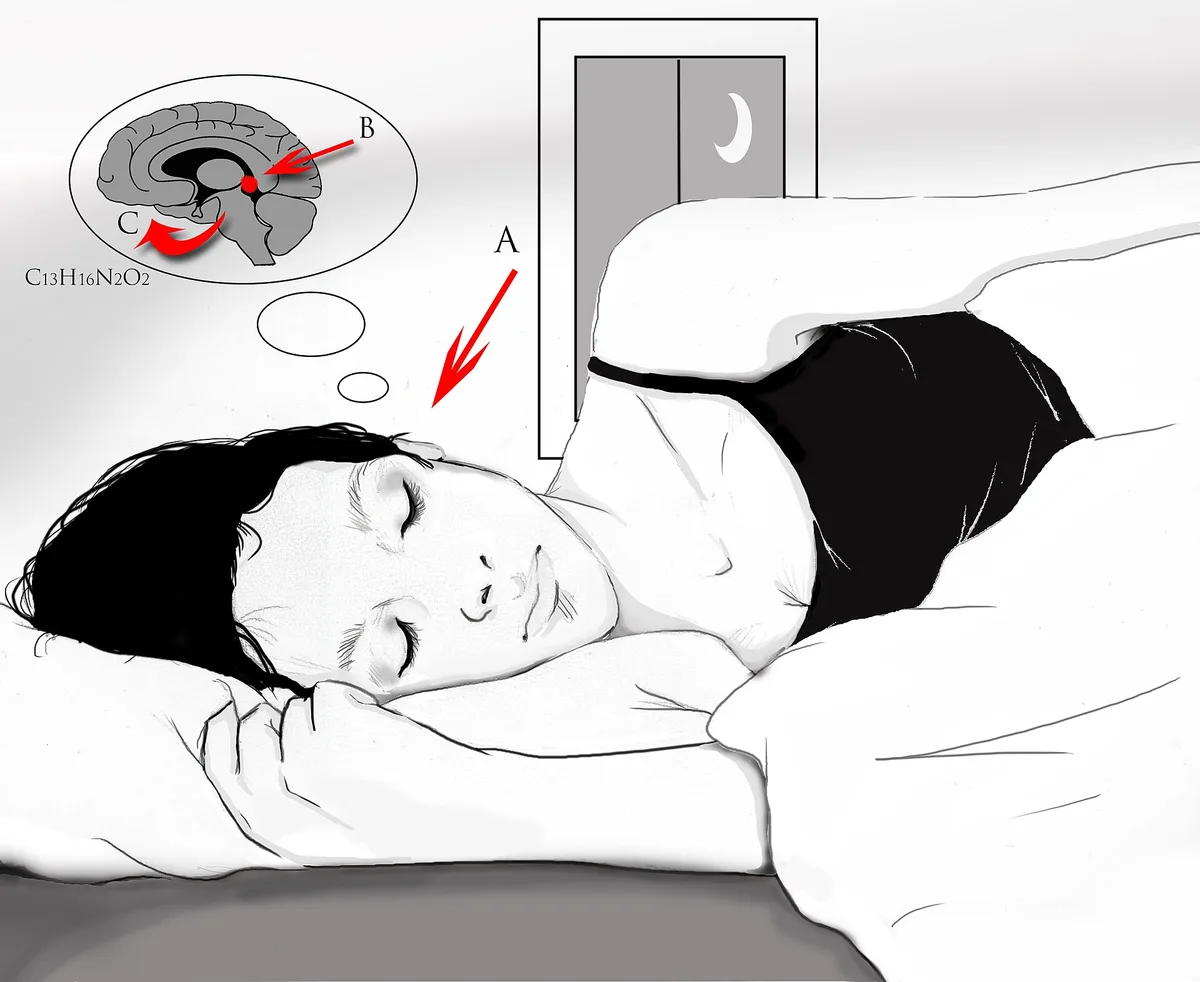
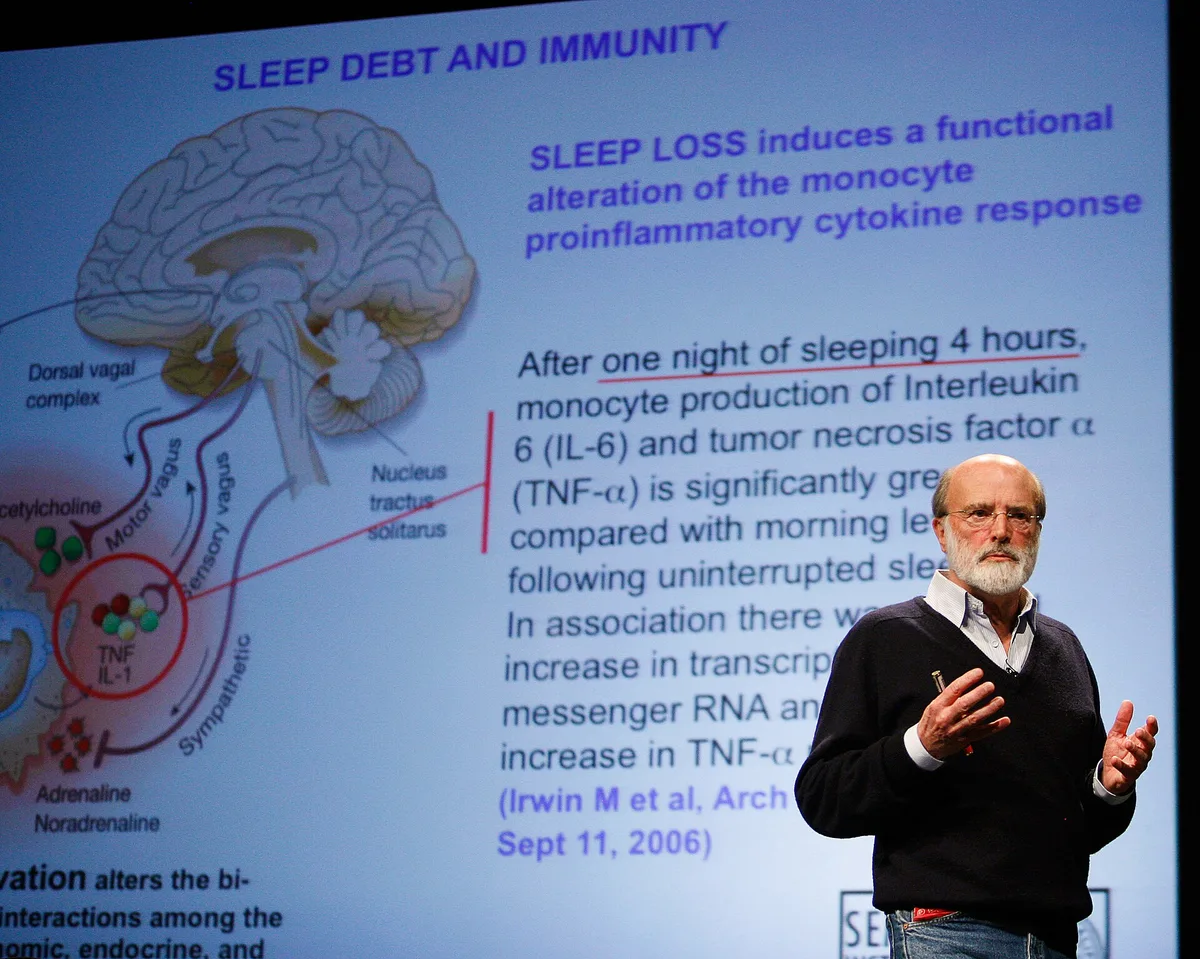
That sustained alarm has measurable effects. The review describes chronic loneliness activating brain regions tied to pain and threat, and elevating cortisol, the body's main stress hormone. Prolonged high cortisol is associated with inflammation, impaired immune function, and cardiovascular strain. Psychology Today adds that chronic loneliness may disrupt sleep and weaken immunity, and that lonely people show higher rates of mortality and several diseases.
Wikipedia's summary of the research literature lists correlated risks including obesity, substance use disorder, depression, cardiovascular disease, high blood pressure, and high cholesterol. Correlation is not proof of cause in every case, but the pattern is consistent enough that the CDC treats loneliness as a health matter, not a personality flaw.
Why does loneliness make connection harder?
Here is the part nobody talks about. Loneliness is self-reinforcing. There is evidence, per Psychology Today, that lonely people develop a negativity bias in reading social situations — they spot signs of possible rejection faster, then withdraw to protect themselves.
That means the advice "just put yourself out there" can feel like being handed a dumbbell when your arm already hurts. The bias is real, and knowing it exists is the first step to overriding it. A neutral text that goes unanswered for a day probably means a busy day. Not a verdict on you.
Early attachment patterns can also shape how risky closeness feels, according to the Science News Today review. That is context, not destiny. But it explains why connection takes practice for some people and comes easily for others — and why patience with yourself counts.
What actually helps, according to the evidence?
Start small and start real. The CDC's How Right Now guidance on loneliness suggests concrete moves: start a conversation with friends, family, neighbors, or co-workers; volunteer in your community, including through faith-based organizations; and use your online time to interact rather than scroll.
Other supported options, per Wikipedia's summary of social treatments: group activities such as exercise, reconnecting with old friends or colleagues, owning pets, and getting more involved in your community. The late researcher John Cacioppo, cited by Psychology Today, framed it like training itself — small, repeated moves that build emotional strength, the way reps build physical strength.
That framing gives you a practical bridge. If starting a conversation feels heavy, borrow a structure you already have:
- Join a group class or club. Shared activity gives you something to talk about that isn't your feelings. Our piece on why group exercise keeps people coming back covers the adherence side.
- Move with someone. A walk is the lowest-friction format there is — see Walking for Health: Why the Simplest Exercise Wins.
- Protect your baseline. Poor sleep and chronic stress both make social effort feel harder; our guides to exercise and sleep quality and training through chronic stress start there.
Notice what these have in common: they are recurring, low-stakes, and side by side rather than face to face. Connection often grows in the margins of doing something else.
When should you talk to a professional?
If loneliness comes with persistent low mood, changes in sleep or appetite, or thoughts of harming yourself, treat it as a health issue and involve a professional. The CDC recommends talking to a health care provider about how you are feeling, making an appointment with a counselor, and — in a crisis — calling or texting 988, the Suicide & Crisis Lifeline. Wikipedia's overview notes that therapy and, in some cases, antidepressants are recognized medical treatments for loneliness. Reaching out is not weakness. It is the alarm doing its job.
What this means for your routine
Our analysis: treat connection the way you treat any trainable capacity. You would not expect one gym session to change your fitness, and one dinner won't fix months of disconnection either. Expect slow, uneven progress. Expect some awkward invitations. Expect the negativity bias to whisper that nobody wants to hear from you — and send the message anyway.
What the evidence establishes is that chronic loneliness travels with real physical risks, that the feeling is common even among people with full calendars, and that small, repeated, in-person contact helps. What it does not establish is a guaranteed timeline or a one-size fix. Some loneliness, as the existential writers Wikipedia cites point out, is part of being human. The goal is not zero. The goal is enough.