A supplement bottle speaks in confident phrases: supports immunity, promotes joint health, boosts energy. The law behind those words is looser than most shoppers assume. That gap is where confusion lives.
Its aim is to show you what a supplement legally is, which label claims are actually regulated, and the small print that does the fooling. For related coverage, see Exercise and Sleep Quality: What the Research Actually Shows.
A Supplement Is Regulated Like Food
A dietary supplement is a manufactured product meant to add to your diet, taken as a pill, capsule, tablet, powder, or liquid. In the United States, the Dietary Supplement Health and Education Act of 1994 defines the category. Under that law, supplements count as a subset of food.
The classification matters more than any marketing line. Like foods, but unlike drugs, no government approval is required to make or sell dietary supplements. The manufacturer itself confirms safety. The regulator steps in mainly to pull unsafe products from the market after the fact. We covered a connected angle in How Many Steps a Day Actually Matter? The Evidence, Dosed.
The Claim Words That Mean Something
Federal rules bar supplement makers from claiming their products prevent or treat any disease. Instead, companies may use structure and function wording. It is allowed when there is real scientific backing for a potential effect. An example is a phrase like this: helps maintain healthy joints.
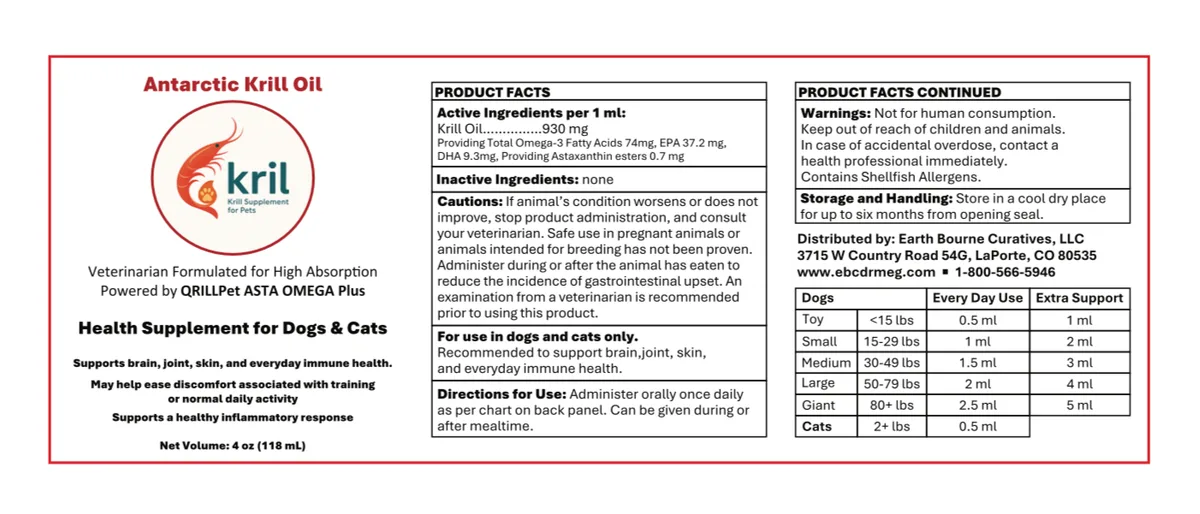
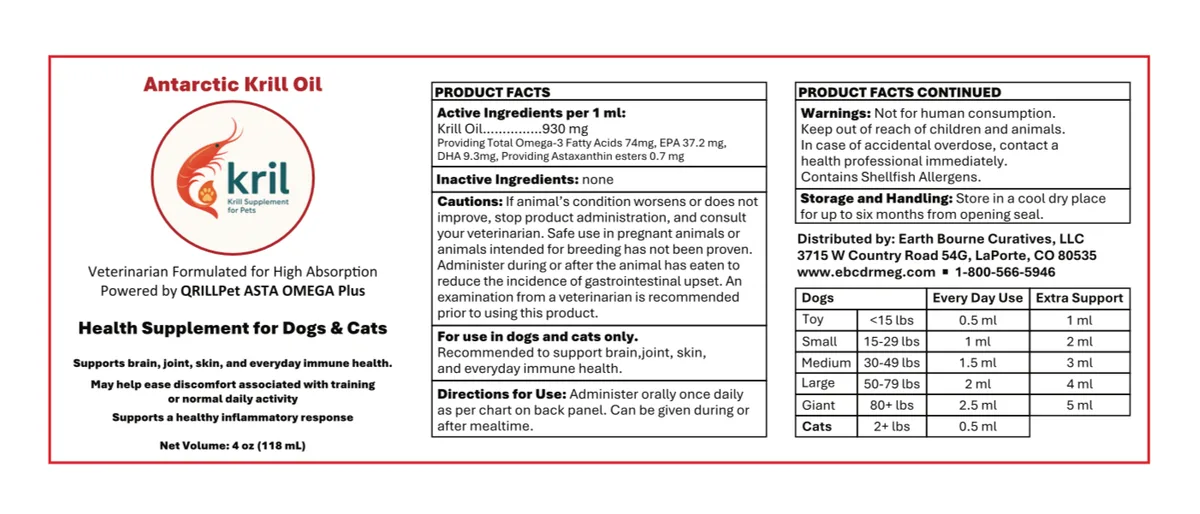
That permission comes with a mandatory trade. The label must carry a disclaimer. It has to say that the Food and Drug Administration has not evaluated the claim. It also has to say the product is not intended to diagnose, treat, cure, or prevent any disease. Seeing that disclaimer is not a red flag. Its absence would be.
Health Claims With Fine Print
A small set of health claims has been formally reviewed and allowed. The calcium and osteoporosis claim is a classic: to qualify, a supplement must contain at least 20 percent of the Reference Dietary Intake, which for calcium means at least 260 mg per serving.
Qualified health claims are stricter still in tone. When companies use them, the regulator dictates the exact wording. The mandated sentences can be strikingly hedged. One official example about selenium and bladder cancer ends on a hedge. It concludes that it is highly uncertain the supplements reduce the risk. When a label sounds unsure of itself, that honesty may be legally required.
Small Print That Trips Shoppers
Packaged food labels share tricks worth learning from. Amounts below half a gram round down to zero. A product with 0.45 g of trans fat per serving can legally print 0 g on the panel. Multiply it by the servings in the package, and the totals drift far from the label.
Serving size is the other lever. On United States food labels, the Daily Value percentage shows what one serving supplies. The comparison diet behind it is a general-advice figure. Check the serving first, then the amounts, because a number that looks small may belong to a single serving of several.
Mislabeling Happens
The supplement world has a documented record of adulteration, contamination, and mislabeling, and regulators do police the space. The FDA watches supplement labeling and advertising for accuracy. It sends warning letters when good manufacturing practice rules are violated. In the European Union, the Food Supplements Directive of 2002 sets its own terms. Supplements must be shown safe in dosage and purity, and drug claims are barred while health claims are allowed.
None of this makes every label dishonest. It makes reading them a skill.
Conclusion
Reading a supplement label comes down to three moves: find the claim, find the disclaimer, find the serving size. Structure and function words are allowed with substantiation. Disease words are not allowed at all. Formally reviewed claims arrive with strict conditions attached.
No supplement label is permitted to promise a health outcome, because no supplement is allowed to claim one. Once you see the rules, the confident phrases read very differently.