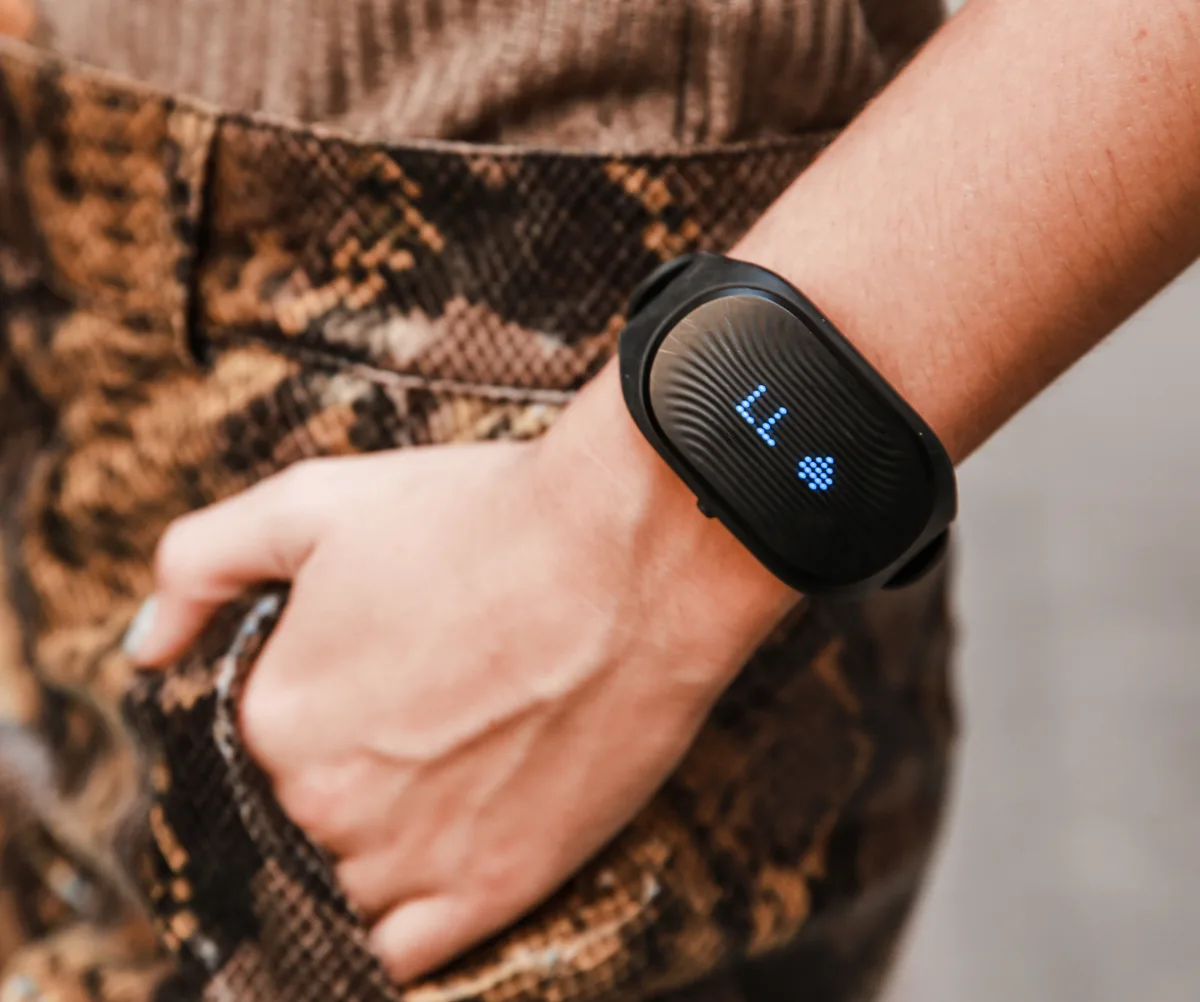
Fitness trackers earn their keep on step counts, stay mixed on heart rate, and misjudge calorie burn. A 2020 systematic review in JMIR mHealth and uHealth covering 158 publications found wearables measured steps accurately in laboratory settings, while for energy expenditure no brand was accurate. Most validation data come from labs and small samples, so read every number as an estimate.
That estimate is still useful. A tracker that counts steps within a small margin and logs sleep-wake time gives you two honest signals: volume and recovery. The sections below sort each data stream into trust it, trend it, or ignore it, based on the validation studies rather than the marketing. We covered a connected angle in Fitness News: How to Read a Fitness Story Without Falling for the Hype.
Which Numbers Can You Trust
Steps come first. The 2020 review, led by Daniel Fuller at Memorial University, reported that Fitbit, Apple Watch, and Samsung devices appeared to measure steps accurately in laboratory-based settings. Heart rate measurement was more variable, with Apple Watch and Garmin the most accurate and Fitbit tending toward underestimation. For energy expenditure, no brand was accurate.
The systematic review in JMIR mHealth and uHealth pooled 158 publications across nine brands, and Fitbit was the most studied. Accuracy varied by manufacturer and by device type, and the authors noted devices get redesigned constantly, so findings age fast. Steps and heart rate earned a cautious yes. Calories did not.
What Happens Outside the Lab
Real life is messier than a treadmill. A 2021 study in JMIR mHealth and uHealth put 19 adolescents, ages 14 to 18, through a 24-hour activity cycle in a metabolic chamber while wearing 11 wrist devices. Correlations for total energy expenditure looked strong, from 0.78 to 0.96, yet the mean absolute error for steps still ranged from 14.2 to 27.6 percent depending on the device.
That JMIR mHealth and uHealth study covers adolescents and a small sample, so the exact error margins do not transfer to you. The direction does. Once a device leaves the lab, error grows, and a daily step total of 8,412 is a rounded guess, not a measurement. Watch the week, not the digit.
Can You Trust Sleep Data
Mostly for timing, not for stages. A 2022 study in Nature and Science of Sleep tested four consumer devices on 21 healthy young adults sleeping at home for a week, compared against a research sleep-electroencephalography headband. Devices tracked time in bed, total sleep time, sleep efficiency, sleep latency, and wake after sleep onset accurately on most nights.
Stage tracking was a different story. In the Nature and Science of Sleep study, sleep stage performance was mixed with high variability, and every device detected sleep better than wake. The authors concluded the devices are best used for sleep-wake outcomes, not sleep stages. Your deep sleep percentage is the least reliable number on the screen. Your total sleep time is among the most reliable.
How to Use the Data Without Obeying It
Pick the two streams with the best evidence behind them. Use steps to set a floor on daily movement, and treat a sudden drop as a prompt to check sleep, stress, or schedule. Use total sleep time as a recovery input: a few short nights in a row is a signal to trim intensity, per the sleep-wake metrics the 2022 study found accurate. Leave calorie burn and sleep stages alone; the studies above found both unreliable. Trend lines beat single readings, so judge a change after a week, not a night. Readers following this should also see How to Judge Fitness Gear Deals Without Getting Burned.
Conclusion: Follow the Trends, Not the Totals
The evidence supports trackers as step counters and sleep-wake logs, supports heart rate with caution, and rejects calorie counts and stage percentages as precise facts. Strap the band on, watch the weekly shape of your steps and sleep, and let the unreliable numbers scroll past unread. The device is a compass, and compasses beat treasure maps.