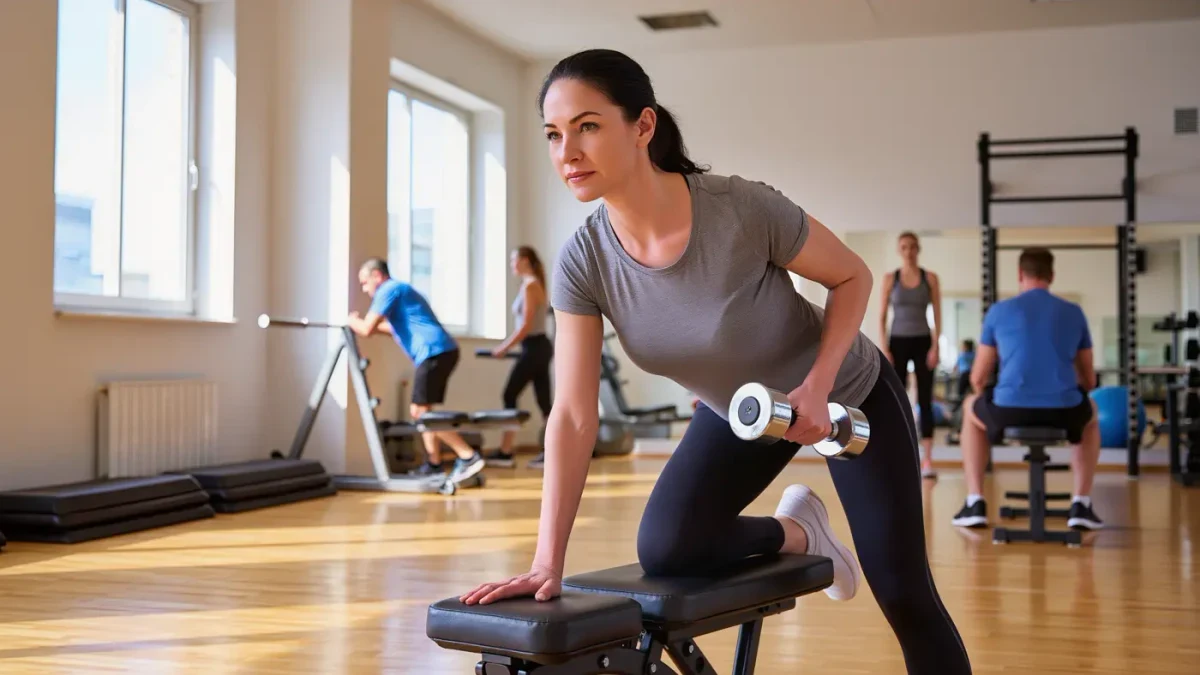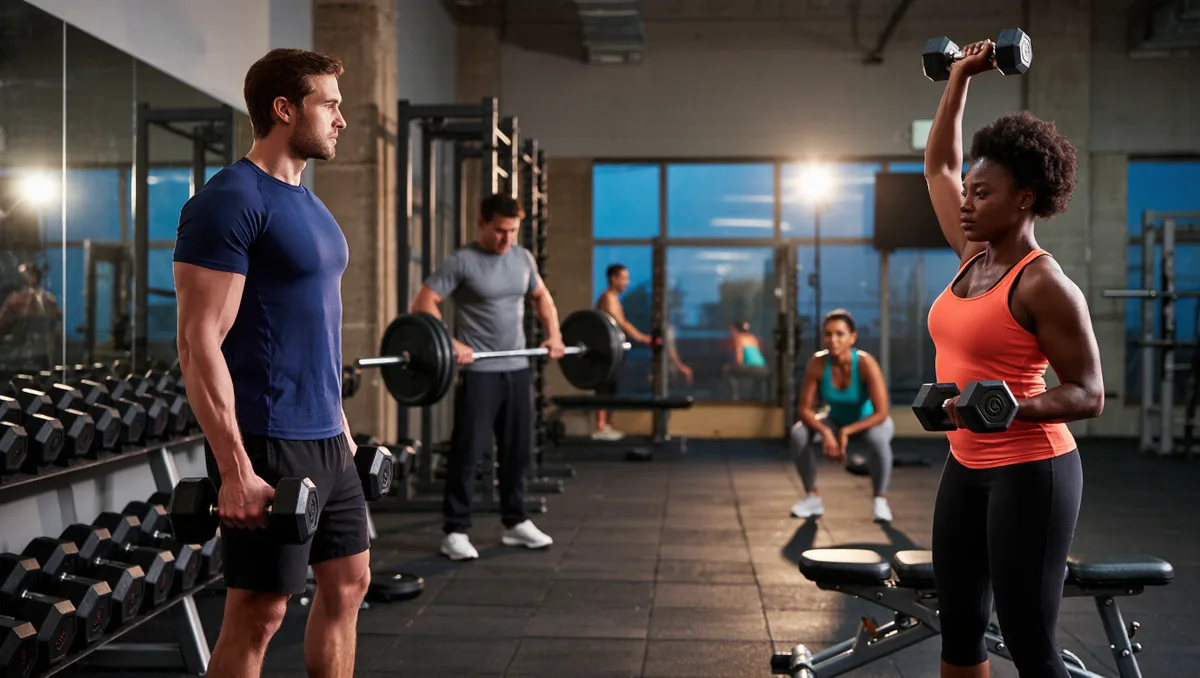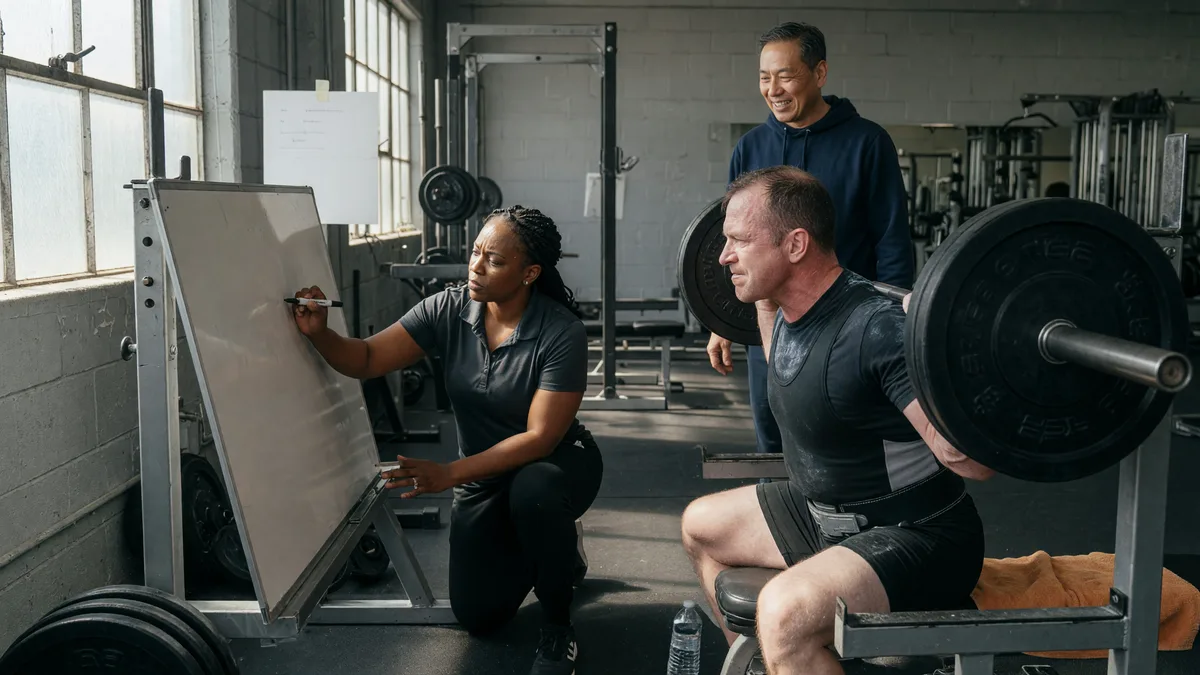

The American College of Sports Medicine has replaced its 2009 resistance training guidance with a new position stand, published online in Medicine & Science in Sports & Exercise on March 5, 2026. Currier and colleagues built it as an overview of reviews — a synthesis of the evidence syntheses themselves — and its headline conclusion is quietly radical: nearly any sensible loading works. Loads from roughly 30% to 70% of one-rep max produced meaningful gains in muscle function, size, and physical function in healthy adults, with the largest single win going to people who simply started training at all.
This site publishes information, not medical advice. Loads and progressions below are commonly used ranges from the cited source, not a personal prescription; clear a new strength program with a clinician or qualified professional if you have injuries or medical conditions.
What it changes for everyday exercisers
For years, casual lifters were told heavy or nothing — that light weights were a warm-up. The new position stand makes the floor much wider: if 30–70% of one-rep max is effective, then resistance bands, light dumbbells, and machines all qualify as real strength training, provided you work near fatigue and progress over time. That matters most for beginners, older adults, and home trainees without a barbell. What the review does not hand you is an excuse to coast — sets taken far from fatigue did not drive the same adaptations, which is why perceived effort, not just the number on the dumbbell, is the variable to manage.
The context other coverage skipped
Most write-ups stopped at "light weights work." The structural change is who the document speaks to. The 2009 stand addressed progression models largely for already-training adults; the 2026 overview explicitly frames resistance training as a public-health behavior for healthy adults generally, aligned with the federal guideline of muscle-strengthening work on two or more days a week, per the CDC. That reframing pushes the question from "which program is optimal?" to "who is still doing none?" — and it puts family doctors, physical therapists, and community gyms on notice that the evidence base now backs prescribing load for nearly everyone.
How to apply it this month
- Pick any load you can control for 8–15 repetitions per set, taken within a few reps of failure.
- Train each major muscle group at least twice weekly — the federal minimum of two strength days is the floor, not the ceiling.
- Add load, reps, or sets gradually; the review supports progression, not heroic jumps.
Seventeen years is a long gap between guidance updates. The wait was worth it: this is the most complete evidence map recreational lifters have ever been handed.