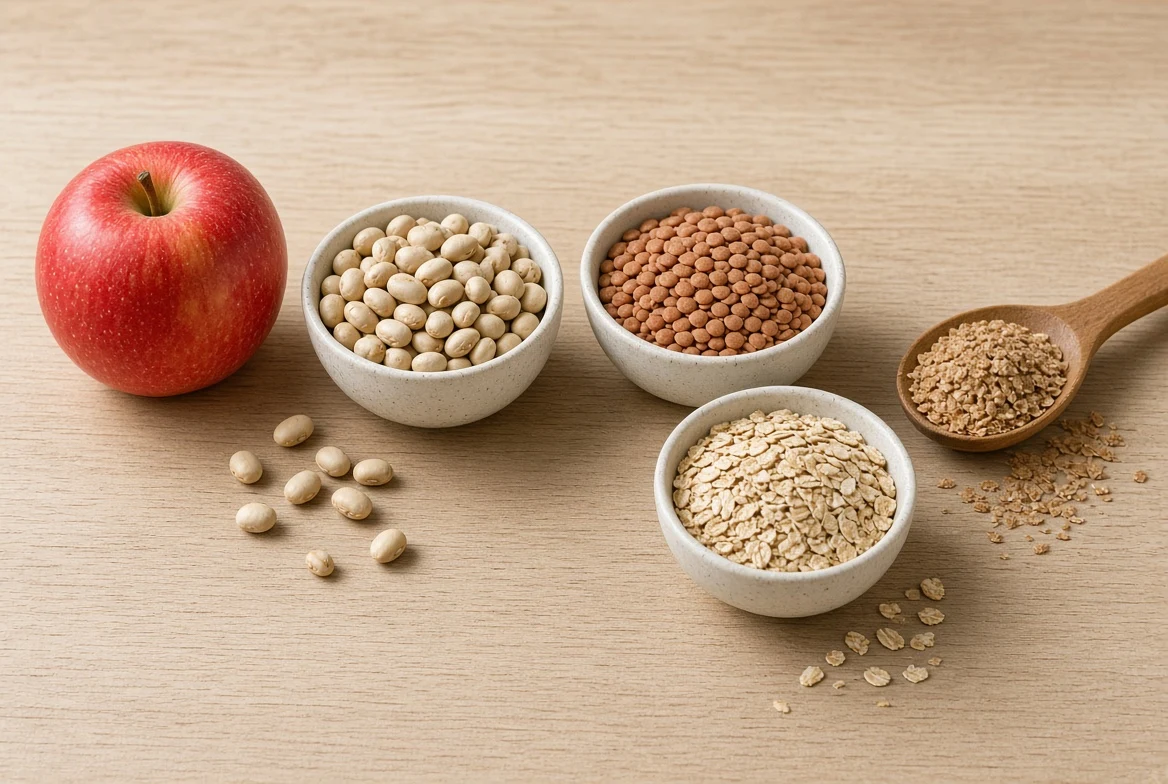

The federal Dietary Guidelines for Americans, 2025–2030 arrived in the first week of January 2026, per USDA and HHS, and the headline change is philosophical: the new edition tells Americans to "eat real food" — whole, nutrient-dense choices across protein, dairy, vegetables, fruits, healthy fats, and whole grains — and takes a firmer stance against highly processed foods than any edition before it.
The guidelines are population-level guidance, not a prescription for any individual; if you manage a health condition or plan a major diet change, talk with a clinician or registered dietitian first.
What changed in this edition?
Three things stand out. First, the food-group message is simpler and more direct: build meals from whole, nutrient-dense foods, per the 2025–2030 guidelines. Second, the document treats highly processed foods as a distinct concern rather than a footnote — a shift that mirrors how the scientific conversation has moved since the previous edition. Third, the iconic food guide graphic was redesigned into a new pyramid, replacing the imagery Americans have seen on posters and cereal boxes for years.
What it changes for everyday exercisers
If you train a few days a week, almost nothing here asks you to eat differently tomorrow. The guidance still points to the same building blocks most sports dietitians recommend: enough protein across the day, carbohydrate around hard sessions, fruit and vegetables at most meals. What may change is the label you reach for. A "real food" frame gives you a quick test at the grocery shelf — would my grandmother recognize this as food? — that cuts through marketing faster than any single nutrient number.
The practical takeaway, per the guidelines' food-group structure: anchor each day in the six listed groups and keep heavily processed items as exceptions rather than defaults.
The point of context most coverage skipped
The guidelines are not just advice — they are machinery. By law the document is reviewed every five years, and it shapes what goes into school meals, WIC packages, military rations, and nutrition education programs. So the "eat real food" pivot will reach tens of millions of people through cafeteria lines, not through anyone reading the 400-plus-page report. Coverage that framed the release as lifestyle advice missed that the audience is institutions first.
It also landed in a fight. A commentary in JAMA argued the new edition gives undue prominence to meat and dairy, per coverage of the release in January 2026. Expect that debate to run through the 2030 review cycle.
Does this mean protein advice changed?
No. The 2025–2030 edition keeps the established food-group framework rather than issuing new gram-per-kilogram targets, per USDA and HHS. For everyday exercisers, the practical range most sports-nutrition bodies cite remains roughly 1.4–2.0 grams of protein per kilogram of body weight per day — a range to confirm with a professional, not a rule the new document created.
When will I actually see the difference?
Gradually, over years. Federal feeding programs update on regulatory timelines, and the new pyramid will roll out across education materials through the life of the edition. Per USDA and HHS, the guidelines run through 2030 — so the cafeteria in front of you in January 2026 looks the same as it did in December 2025.
- Released: first week of January 2026, per USDA and HHS.
- Core message: "eat real food" — six whole-food groups, harder line on highly processed foods.
- Reach: school meals, WIC, military rations, and federal nutrition education, per the National School Lunch Act mandate for five-year reviews.
- Contested: a JAMA commentary says meat and dairy get too much space.
Frequently asked questions
Do the new guidelines ban processed foods?
No. The 2025–2030 guidelines discourage making highly processed foods a dietary default but do not prohibit any food, per USDA and HHS. The advice is directional: build the day from whole foods first, which leaves room for convenience items around training and travel.
Is the old food pyramid wrong now?
The new pyramid replaces the previous graphic as the official consumer visual, per USDA and HHS. The food-group logic carries over; what changed is the emphasis on whole, minimally processed choices within each group.