
Wearable technology is the number one fitness trend for 2026, per the American College of Sports Medicine's 20th annual Worldwide Survey of Fitness Trends, announced October 22, 2025. Fitness programs for older adults ranked second, followed by exercise for weight management, mobile exercise apps, and balance, flow, and core training rounding out the top five. For everyday exercisers, the short version: the industry will keep building around the device already on your wrist — and, encouragingly, around the demographics most gyms used to ignore.
Before you change a training routine around any trend, device, or program, talk with a clinician or qualified professional if you have pain, an injury, or a medical condition.
What it changes for everyday exercisers
Wearables have now held the top spot in all but two years since 2016, per ACSM, so the ranking itself is no surprise. What it predicts is more of what you already see: classes and gym challenges that score you by steps, heart-rate zones, and recovery scores rather than by technique or progression. A tracker can be a useful mirror for consistency — are you actually training three days a week? — but ACSM's survey is a market signal, not an evidence ranking. The number one trend is the one publishers and vendors spend on, not necessarily the one that gets you stronger.
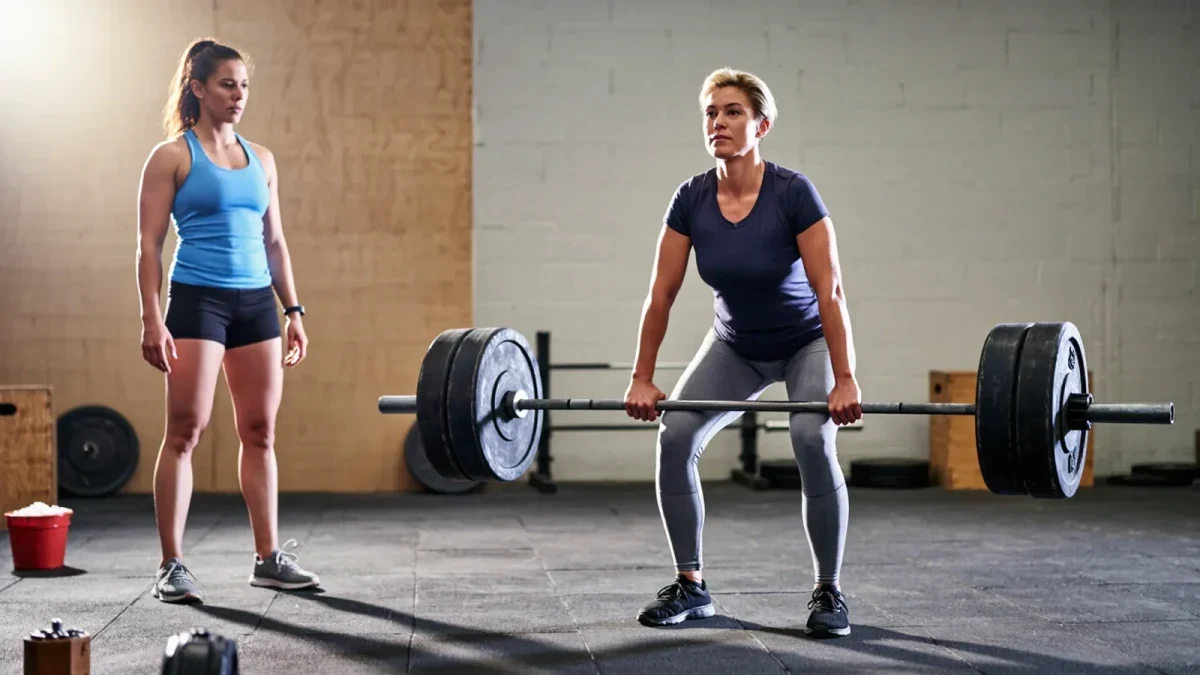
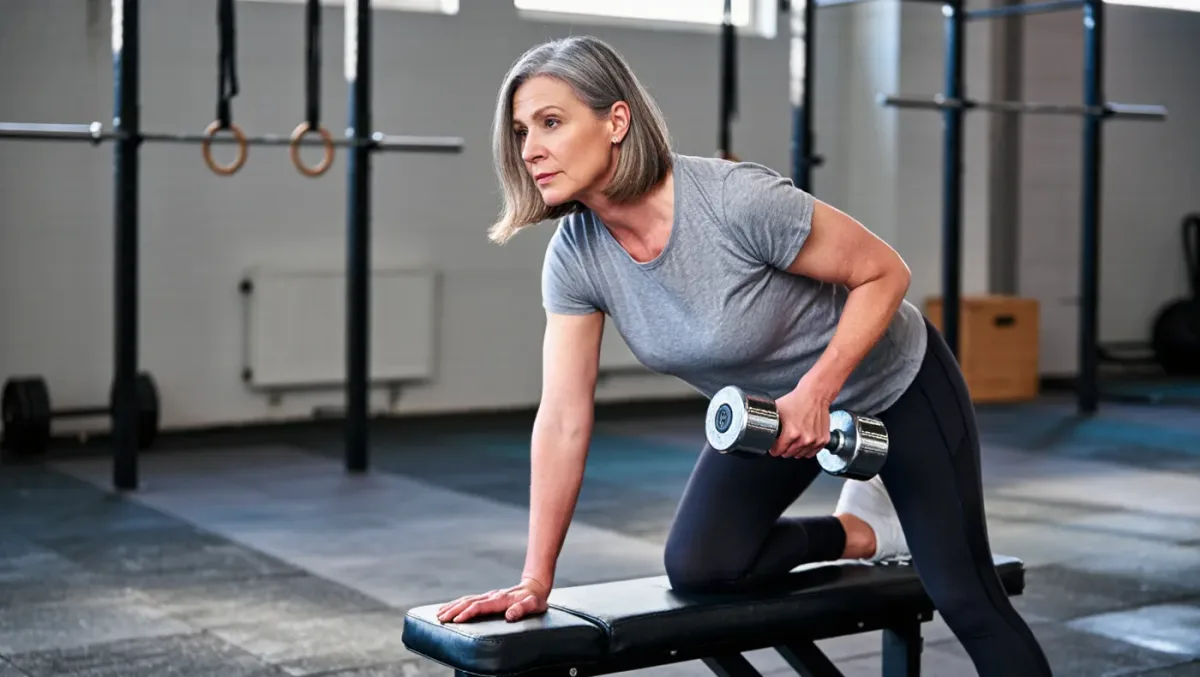
The more practical item in the top five is the second one. Programming designed for older adults has climbed the list in recent years, and it tends to pull the whole industry toward what the evidence already favors at every age: strength work, balance practice, and walking volume. Per the CDC's physical activity guidelines, adults — including adults 65 and older — need at least 150 minutes of moderate aerobic activity a week plus muscle-strengthening on two or more days.
The context other coverage skipped
Most write-ups of the survey list the top ten and stop. Worth noticing: functional fitness training ranked number ten for 2026, up from twelfth a year earlier, and has appeared in the top twenty every year since 2007, per ACSM. That is nearly two decades of steady demand for basic, transferable movement — squats, hinges, carries, pushes — while flashier trends cycled through and out. If you are choosing where to spend your own effort this year, the boring trend with the longest track record is a reasonable bet.
How to use the list without being used by it
- Let the survey describe the market, not set your program. Your goals, training age, and schedule decide your plan.
- Treat wearable data as feedback on habits you chose deliberately — sleep, weekly sessions, easy-day honesty — not as a coach.
- If balance, flow, and core work draws you in, great: it slots into two ten-minute blocks a week for most recreational trainees.
The full 2026 report appears in ACSM's Health & Fitness Journal, based on responses from exercise professionals worldwide.