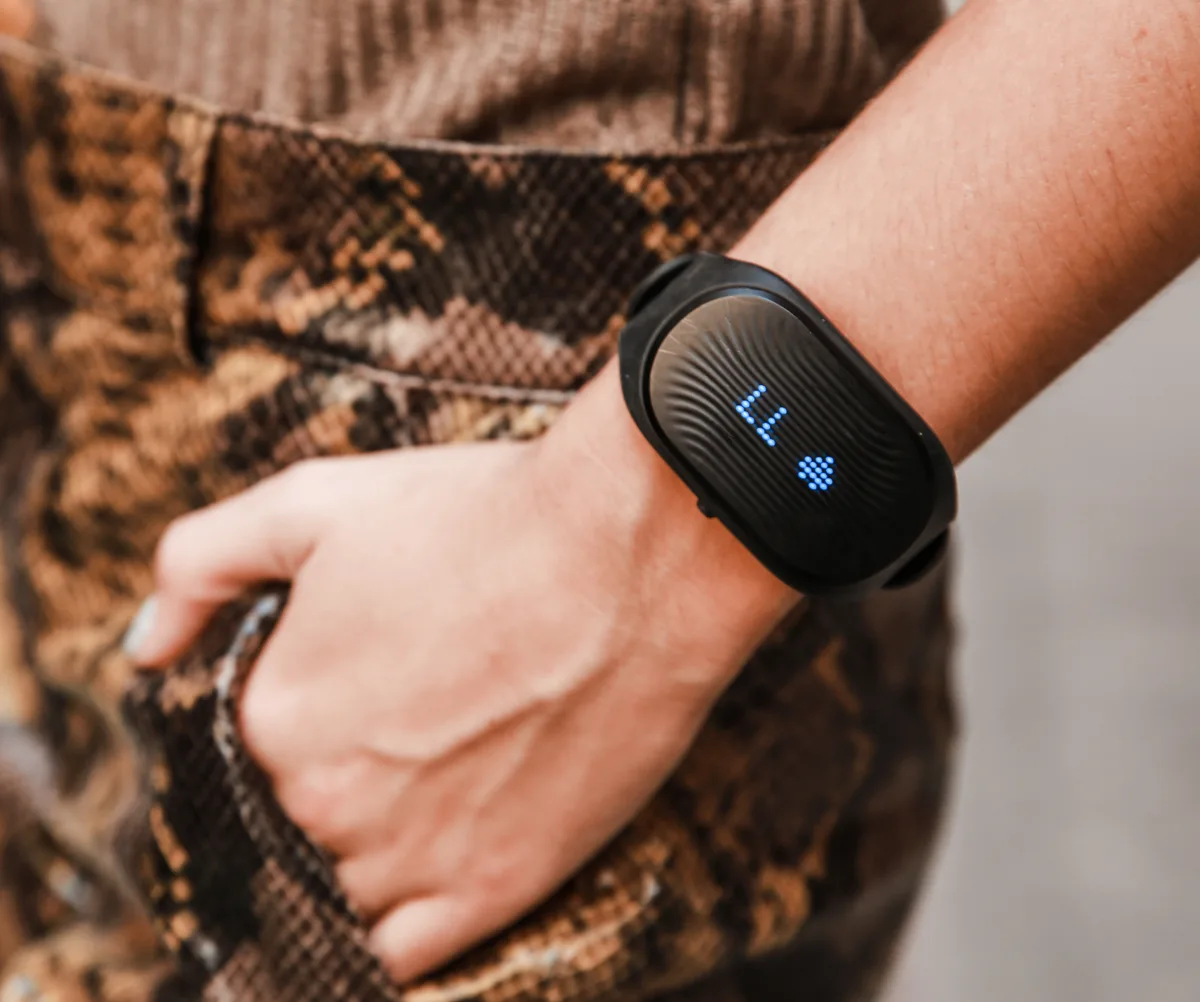

The screenless recovery band is no longer a one-company market. At CES 2026, held January 6–9 in Las Vegas, the Luna Band debuted as a Whoop-style screenless strap priced at $149 with no subscription required, per coverage from Android Central and Tom's Guide. That directly undercuts the membership pricing that has defined the category, and it gives recreational athletes a real choice: pay monthly for recovery scores, or buy a device once and keep it.
If you have a heart condition, take medications that affect heart rate, or train through pain, clear any recovery-tracking-guided program with a clinician or qualified professional first.
What it changes for everyday exercisers
Until now, the screenless strap category — no display, continuous heart-rate tracking, strain and recovery scores in an app — effectively meant one subscription. A one-time $149 purchase changes the math for beginners who want habit feedback without another monthly charge. Two cautions before you switch on autopilot. First, no consumer wearable's recovery or readiness score is a clinical measurement; treat the numbers as one signal among several, alongside sleep, soreness, and how your sessions actually feel. Second, the value of any band comes from consistency, not novelty: a cheaper device you wear for a year beats a premium one you abandon in March.
Federal guidelines haven't changed with the hardware. Per the CDC, adults still need at least 150 minutes of moderate aerobic activity a week plus two days of muscle-strengthening — targets a tracker can help you notice, but not replace.
The context other coverage skipped
CES headlines focused on the Luna Band's price, but the more durable story is where these devices sit in ACSM's 2026 trend ranking. Wearable technology took the number one spot in the Worldwide Survey of Fitness Trends announced October 22, 2025, and mobile exercise apps ranked fourth — meaning the market pressure now runs in both directions: more devices competing on price, and more software competing for the same wrist. Expect bundling, annual-plan discounts, and trade-in offers through 2026 as subscription trackers defend their base.
How to shop the new wave
- Total the three-year cost: a $149 band with no fee versus a device plus 36 months of membership.
- Check whether the app exports your data — you should be able to leave without losing your history.
- Ignore any claim that a score can tell you when to skip a medical check-up. It cannot.
The category fight is just starting; expect more subscription-free entrants announced through the spring.